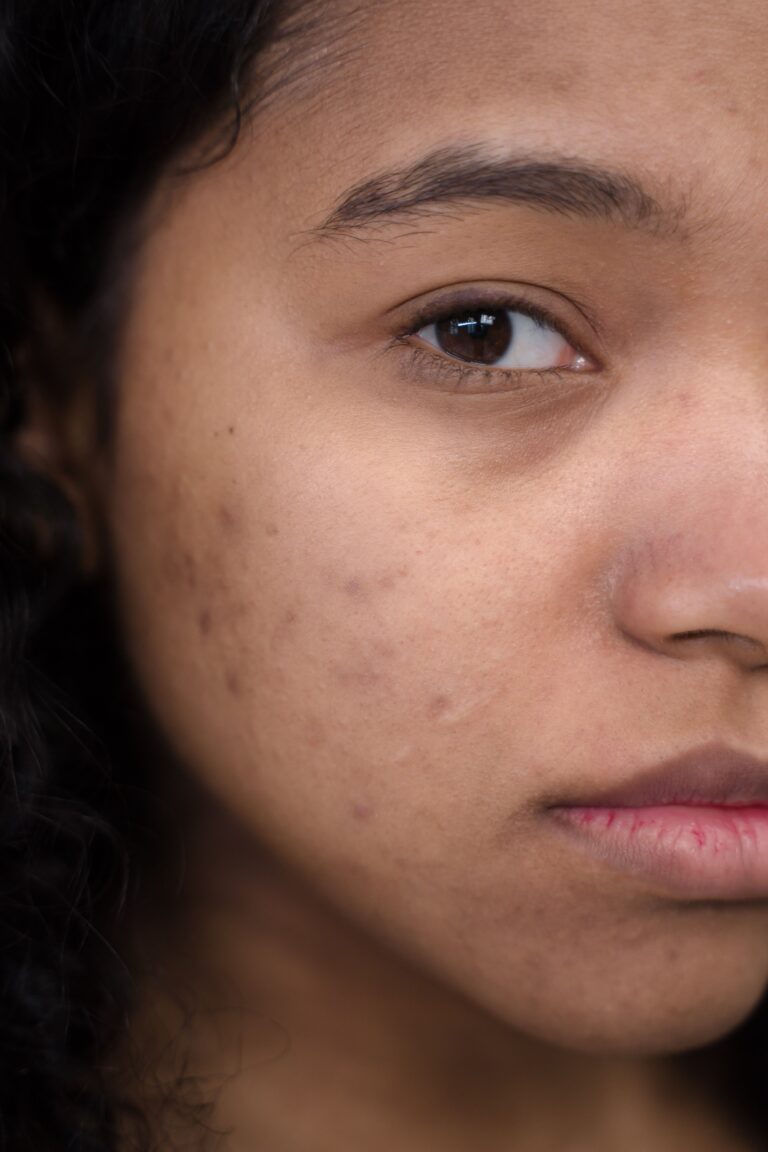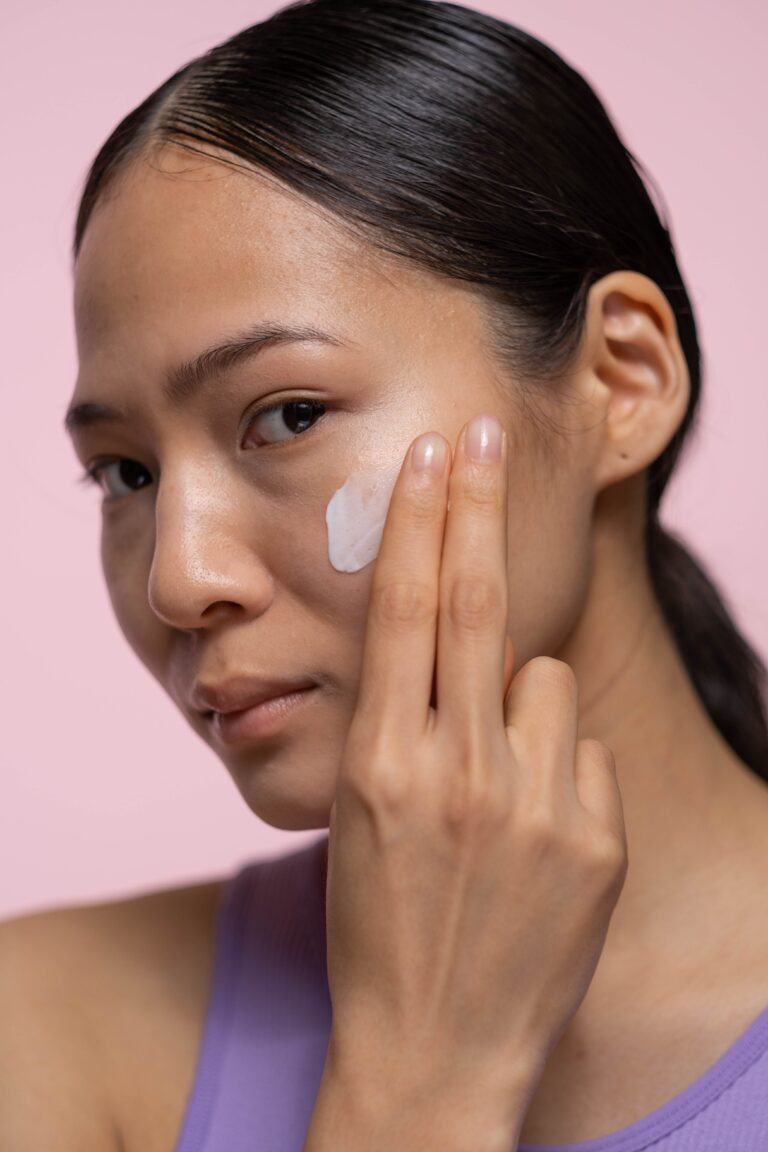


Discover how the skin microbiome affects acne, sensitivity, skin barrier health, and overall skin appearance.
Introduction
When most people think about skincare, they focus on ingredients like retinol, vitamin C, or hyaluronic acid. However, one of the most important factors influencing skin health is something you cannot even see: your skin microbiome.
The skin microbiome is a complex ecosystem of microorganisms that live on the surface of your skin. While the word “bacteria” often sounds negative, many of these microorganisms play a critical role in protecting your skin, maintaining balance, and supporting a healthy skin barrier.
Understanding how the skin microbiome works can help you make smarter skincare choices and avoid habits that may damage your skin over time.
What Is the Skin Microbiome?
The skin microbiome refers to the community of bacteria, fungi, viruses, and other microorganisms that naturally live on your skin.
These microorganisms form a protective ecosystem that helps:
- Defend against harmful bacteria
- Support the skin barrier
- Maintain hydration
- Reduce inflammation
- Promote healthy skin function
A healthy microbiome contains a balanced mix of beneficial microorganisms that work together to keep your skin functioning properly.
Why Is the Skin Microbiome Important?
Your skin is the body’s largest organ and acts as a protective shield against the outside world.
The microbiome helps strengthen this defense system by:
Preventing Harmful Bacteria From Growing
Beneficial bacteria compete with harmful microbes for space and nutrients. This helps prevent potentially harmful organisms from taking over.
Supporting the Skin Barrier
The skin barrier is responsible for keeping moisture in and irritants out.
When the microbiome is balanced, the skin barrier tends to function more effectively.
Reducing Skin Sensitivity
Research suggests that a healthy microbiome may help regulate inflammatory responses and support calmer, less reactive skin.
Signs Your Skin Microbiome May Be Damaged
When the microbiome becomes unbalanced, the skin may struggle to protect itself effectively.
Common signs include:
- Increased dryness
- Tightness after cleansing
- Redness
- Irritation
- Flaking
- Frequent breakouts
- Increased sensitivity
- Skin that feels uncomfortable or reactive
What Causes Microbiome Imbalance?
Several everyday habits can disrupt the natural balance of microorganisms on your skin.
Over-Cleansing
Washing your face too frequently may remove beneficial microorganisms and natural oils.
Harsh Skincare Products
Strong cleansers, alcohol-heavy products, and excessive exfoliation can weaken the skin barrier and affect microbiome balance.
Excessive Exfoliation
Using multiple exfoliating acids at the same time may damage the skin’s protective environment.
Stress
Chronic stress may contribute to inflammation and affect overall skin health.
Environmental Factors
Pollution, UV exposure, and climate changes can influence the skin microbiome.
How to Improve Your Skin Microbiome
1. Use a Gentle Cleanser
Choose a cleanser that removes dirt and excess oil without leaving your skin feeling stripped.
2. Avoid Over-Exfoliating
Most people do not need to exfoliate every day.
Focus on maintaining a healthy balance rather than aggressively removing dead skin.
3. Strengthen Your Skin Barrier
Ingredients that support barrier health include:
- Ceramides
- Fatty acids
- Cholesterol
- Panthenol
- Centella Asiatica
4. Moisturize Consistently
Hydrated skin creates a healthier environment for beneficial microorganisms.
5. Use Sunscreen Daily
UV exposure can contribute to inflammation and negatively affect skin health.
Apply broad-spectrum SPF 30 or higher every day.
Prebiotics, Probiotics, and Postbiotics in Skincare
You may have noticed these terms appearing in modern skincare products.
Prebiotics
Prebiotics help nourish beneficial microorganisms already living on the skin.
Probiotics
Probiotics involve beneficial bacteria or bacterial extracts that support skin health.
Postbiotics
Postbiotics are beneficial compounds produced by microorganisms that may help support skin function and reduce irritation.
These ingredients are becoming increasingly popular in skincare formulations focused on skin barrier repair and sensitive skin.
Skin Microbiome and Acne
Scientists continue to study the relationship between acne and the skin microbiome.
Research suggests that acne may not simply be caused by the presence of bacteria but by an imbalance in the microbial community.
Supporting overall skin health and barrier function may help create a healthier environment for acne-prone skin.
Skin Microbiome and Sensitive Skin
People with sensitive skin often have a weakened skin barrier.
A disrupted microbiome may contribute to:
- Redness
- Itching
- Irritation
- Increased skin reactivity
Using gentle skincare products and avoiding excessive exfoliation may help support a healthier balance.
Common Mistakes That Damage the Skin Microbiome
Avoid these common skincare mistakes:
- Overwashing your face
- Using harsh scrubs
- Combining too many active ingredients
- Skipping moisturizer
- Overusing exfoliating acids
- Using products that constantly irritate your skin
The Future of Microbiome Skincare
Microbiome-focused skincare is one of the fastest-growing areas in dermatology and cosmetic science.
Future products may become even more personalized, helping individuals support their unique skin ecosystem through targeted ingredients and formulations.
As research continues, microbiome health is expected to play an increasingly important role in skincare recommendations.
Final Thoughts
The skin microbiome is one of the most important yet often overlooked aspects of skin health. A balanced microbiome helps support the skin barrier, maintain hydration, reduce sensitivity, and protect against environmental stressors.
Instead of focusing only on powerful active ingredients, consider how your daily habits affect the ecosystem living on your skin. Supporting your microbiome may be one of the most effective ways to achieve healthier, stronger, and more resilient skin.
Frequently Asked Questions (FAQs)
Can the skin microbiome affect acne?
Yes. Research suggests that acne may be linked to an imbalance in the skin microbiome rather than simply the presence of bacteria. A healthy microbiome may help support clearer skin and a stronger skin barrier.
How do I know if my skin microbiome is damaged?
Common signs include dryness, redness, irritation, tightness after cleansing, increased sensitivity, and frequent breakouts.
Can over-cleansing damage the skin microbiome?
Yes. Washing your face too often or using harsh cleansers may disrupt the balance of beneficial microorganisms and weaken the skin barrier.
What skincare ingredients support the skin microbiome?
Ingredients such as ceramides, panthenol, glycerin, Centella Asiatica, prebiotics, probiotics, and postbiotics may help support microbiome health.
Are probiotics in skincare beneficial?
Some studies suggest that probiotic-based skincare products may help support the skin barrier, reduce irritation, and promote healthier-looking skin.
What is the difference between the skin barrier and the skin microbiome?
The skin barrier is the physical protective layer of the skin, while the skin microbiome is the community of microorganisms living on the skin’s surface. Both work together to maintain healthy skin.
Can a damaged microbiome cause sensitive skin?
A disrupted microbiome may contribute to increased skin sensitivity, irritation, and inflammation in some individuals.
How long does it take to restore the skin microbiome?
The timeline varies depending on the cause and severity of the imbalance. Consistent use of gentle skincare products and barrier-supporting ingredients may help improve skin health over several weeks.
Understanding the skin microbiome is becoming increasingly important in modern skincare. According to the American Academy of Dermatology, maintaining a healthy skin barrier is one of the key factors in protecting the skin from environmental damage and irritation. Research published by the National Institutes of Health (NIH) also highlights the growing role of the skin microbiome in supporting overall skin health and immune function.
For individuals dealing with sensitive or compromised skin, organizations such as the National Eczema Association provide valuable educational resources about skin barrier care and irritation prevention. You can also explore expert-reviewed health information from the Cleveland Clinic to learn more about how lifestyle habits affect skin health.