
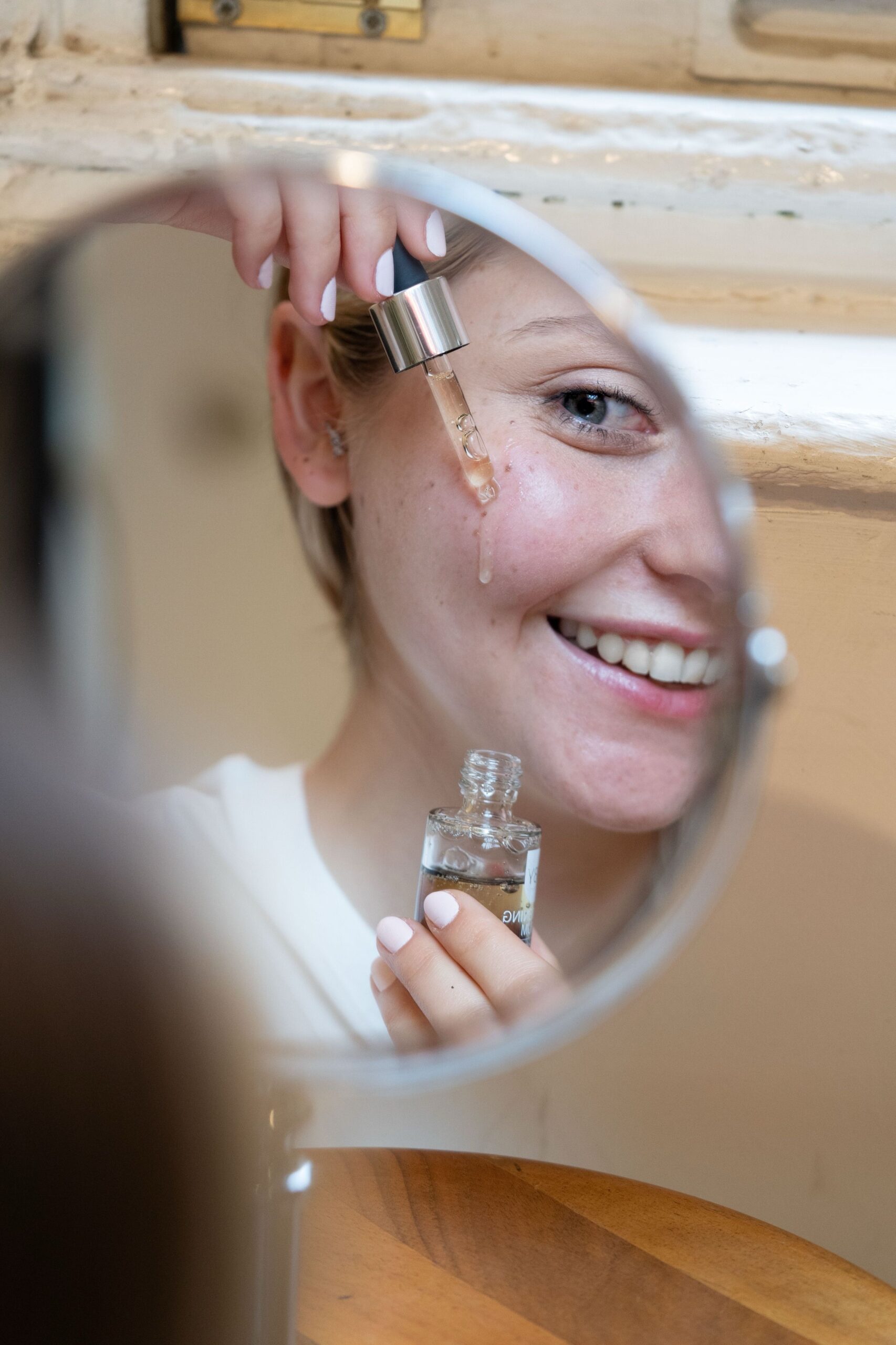

Have you ever noticed that your skin suddenly becomes dry, sensitive, irritated, or rough even when you are using good skincare products? The problem may not be your products — it could be a damaged skin barrier.Skin barrier repair is an important step for restoring dry, irritated, and sensitive skin.
Your skin barrier is one of the most important parts of healthy skin. It protects your skin from moisture loss, pollution, bacteria, and environmental stress. When this protective layer becomes weak, your skin can become more sensitive and difficult to manage.
The good news is that with the right habits and ingredients, you can support your skin’s natural recovery process. A proper skin barrier repair routine focuses on gentle care, hydration, and protecting your skin instead of using too many aggressive products.
In this guide, we will explain what causes skin barrier damage, the signs to look for, and the best ways to restore healthier-looking skin.
What Is the Skin Barrier?
The skin barrier is the outermost layer of your skin, also known as the stratum corneum. It works like a protective shield that helps keep moisture inside your skin while blocking harmful substances from entering.
A healthy skin barrier helps your skin look:
- Smooth
- Hydrated
- Comfortable
- Balanced
- Less irritated
Your skin barrier is made up of skin cells and natural fats called lipids. These lipids include:
- Ceramides
- Cholesterol
- Fatty acids
Together, they help maintain moisture and protect your skin.
When this barrier is damaged, your skin loses water more easily and becomes more vulnerable to irritation.How to Start a Skin Barrier Repair Routine
Signs of a Damaged Skin Barrier
Many people damage their skin barrier without realizing it. Some common signs include:
1. Dry and Flaky Skin
If your skin feels tight, rough, or starts peeling, your protective barrier may not be holding enough moisture.
2. Increased Sensitivity
Products that never caused problems before may suddenly cause:
- Burning
- Stinging
- Redness
- Discomfort
3. Redness and Irritation
A weak skin barrier makes it easier for environmental factors to irritate your skin.
4. Breakouts and Uneven Texture
When your barrier is unhealthy, your skin may struggle to stay balanced, which can contribute to clogged pores and rough texture.
5. Skin Feels Tight After Cleansing
If your face feels uncomfortable or extremely dry after washing, your cleanser may be too harsh or your barrier may already be weakened.
What Causes Skin Barrier Damage?
Several daily habits can weaken your skin barrier.
1. Over-Exfoliating
Exfoliation can help remove dead skin cells, but doing it too often can damage the protective layer of your skin.
Using too many exfoliating products such as strong acids or scrubs can lead to irritation and dryness.
2. Using Too Many Active Ingredients
Ingredients like retinol, vitamin C, and exfoliating acids can be beneficial, but using too many powerful products together may overwhelm your skin.
A simple routine is often better for maintaining healthy skin.
3. Harsh Cleansers
Some cleansers remove too much natural oil from your skin, leaving it dry and uncomfortable.
A gentle cleanser helps maintain your skin’s natural balance.
4. Lack of Moisture
When your skin does not receive enough hydration, the barrier can become weaker and more prone to irritation.
5. Sun Damage
UV rays can affect your skin barrier and contribute to dryness, sensitivity, and premature aging.
Daily sunscreen is one of the most important steps for protecting your skin.
(Continues with: How to Repair Skin Barrier, Best Ingredients, Ceramides, Niacinamide, Hyaluronic Acid, FAQ Schema, and Conclusion.)
How to Repair Your Skin Barrier Step-by-Step
Repairing a damaged skin barrier is not about adding more products. In many cases, your skin needs fewer products, more hydration, and gentle care.
A good skin barrier repair routine focuses on restoring moisture, reducing irritation, and protecting your skin every day.
1. Switch to a Gentle Cleanser
The first step in repairing your skin barrier is using a cleanser that removes dirt and oil without stripping your skin.
Avoid cleansers that leave your face feeling:
- Tight
- Dry
- Uncomfortable
- Irritated
Look for gentle cleansers with hydrating ingredients that support your skin’s natural balance.
2. Use a Moisturizer With Barrier-Supporting Ingredients
Moisturizer is one of the most important steps when repairing damaged skin.
A good moisturizer helps:
- Lock in hydration
- Reduce dryness
- Support the skin barrier
- Improve skin comfort
Look for ingredients such as:
- Ceramides
- Hyaluronic acid
- Glycerin
- Squalane
These ingredients help your skin maintain moisture and feel healthier.
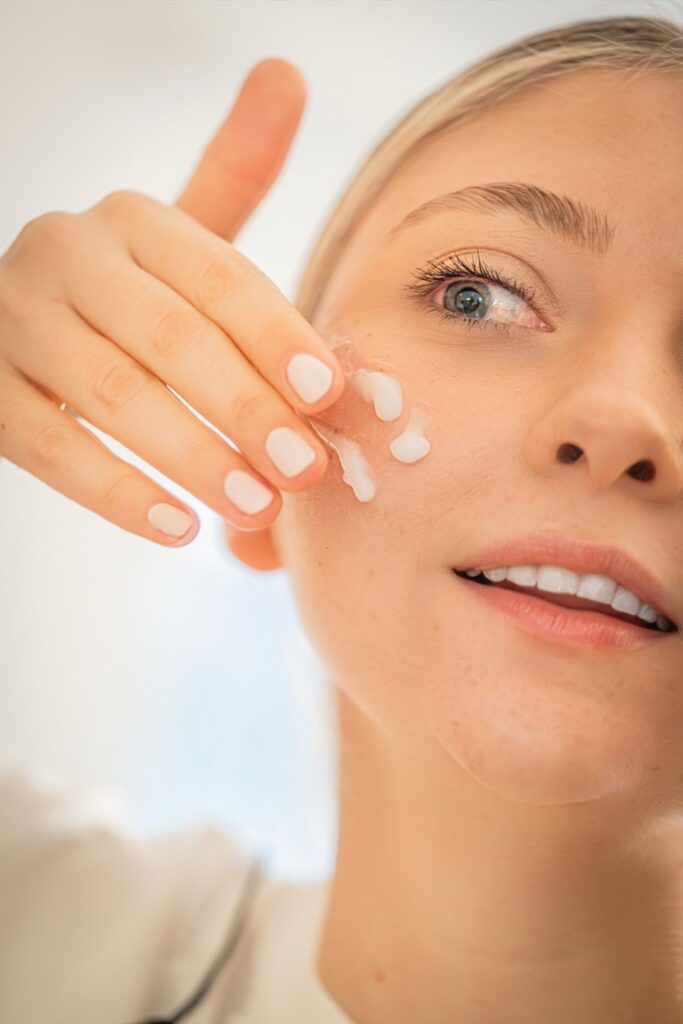
3. Add Ceramides to Your Skincare Routine
Ceramides are naturally found in your skin and play an important role in maintaining a strong barrier.
They work like the “glue” that helps hold skin cells together and prevent moisture loss.
Benefits of ceramides include:
- Strengthening the skin barrier
- Reducing dryness
- Supporting sensitive skin
- Improving hydration
Products containing ceramides are especially helpful for people experiencing dry or irritated skin.
(Internal Link Suggestion: Add link to future article Ceramides for Skin: Benefits and How to Use Them)
4. Use Niacinamide for Barrier Support
Niacinamide is a popular skincare ingredient known for supporting a healthy skin barrier.
It can help:
- Improve the appearance of uneven skin tone
- Support skin hydration
- Reduce the appearance of redness
- Balance oil production
Many beginners choose niacinamide because it is generally gentle and works well with different skin types.
5. Add Hydrating Ingredients Like Hyaluronic Acid
Hyaluronic acid helps attract and hold moisture in the skin.
When your skin barrier is damaged, hydration becomes extremely important.
Benefits include:
- Softer-looking skin
- Improved hydration
- Reduced feeling of dryness
For best results, apply hydrating products and follow with moisturizer to help lock in moisture.
6. Wear Sunscreen Every Day
Sun protection is a major part of long-term skin barrier health.
UV exposure can weaken your skin and slow down recovery.
Choose:
- Broad-spectrum sunscreen
- SPF 30 or higher
- A formula suitable for your skin type
Apply sunscreen every morning as the final step of your skincare routine.
Ingredients That Help With Skin Barrier Repair
| Ingredient | Benefits |
|---|---|
| Ceramides | Help restore and strengthen the skin barrier |
| Niacinamide | Supports hydration and healthier-looking skin |
| Hyaluronic Acid | Helps attract moisture |
| Squalane | Provides lightweight hydration |
| Glycerin | Helps keep skin moisturized |
Skin Barrier Repair Mistakes to Avoid
While repairing your skin barrier, avoid these common mistakes:
Using Too Many Products
Adding multiple new products at once can make it difficult to know what is helping or irritating your skin.
Continuing Harsh Treatments
Pause strong exfoliants, aggressive scrubs, or too many active ingredients until your skin feels healthier.
Skipping Moisturizer
Even oily skin needs hydration. Skipping moisturizer can make your skin feel unbalanced.
Forgetting Sunscreen
Without sunscreen, environmental damage can continue affecting your skin.
How Long Does Skin Barrier Repair Take?
The recovery time depends on how damaged your skin barrier is and how consistent you are with your routine.
Some people notice improvement within a few weeks, while others may need several months.
During this process, focus on:
- Gentle cleansing
- Daily moisturizing
- Sun protection
- Avoiding irritation
Healthy skin takes time, but consistency creates better results.
Frequently Asked Questions (FAQ Schema)
What is skin barrier repair?
Skin barrier repair means supporting your skin’s natural protective layer by restoring hydration, reducing irritation, and using ingredients that help maintain healthy skin.
How do I know if my skin barrier is damaged?
Common signs include dryness, redness, sensitivity, burning, tightness after cleansing, and increased irritation from skincare products.
What ingredients repair the skin barrier?
Some helpful ingredients include ceramides, niacinamide, hyaluronic acid, glycerin, and squalane.
Can I use retinol when my skin barrier is damaged?
It is usually better to pause strong active ingredients like retinol until your skin feels stronger and less irritated.
How often should I moisturize for skin barrier repair?
Most people benefit from moisturizing at least twice daily, especially after cleansing.
Does sunscreen help repair the skin barrier?
Sunscreen does not directly repair the barrier, but it protects your skin from UV damage that can slow recovery.
Final Thoughts
A healthy skin barrier is the foundation of beautiful skin. When your barrier is strong, your skin can better maintain moisture, handle environmental stress, and look smoother and more balanced.
The best skin barrier repair approach is simple: use gentle products, keep your skin hydrated, protect it from the sun, and avoid overloading your routine with too many active ingredients.
Remember, skincare is a journey. With patience and consistency, you can support your skin and achieve a healthier-looking complexion.
Trusted Sources for Skin Health Information
When caring for your skin, it is important to follow advice from reliable dermatology and health organizations. Understanding your skin barrier and choosing the right skincare habits can help you make better decisions for your skin.
For more trusted information about skin health, skincare routines, and protecting your skin, you can learn from:
- American Academy of Dermatology (AAD): Provides dermatologist-reviewed information about skincare, skin conditions, sun protection, and healthy skin habits.
- Mayo Clinic: Offers reliable medical information about skin health, skincare tips, and ways to maintain healthy-looking skin.
Using trusted sources can help you better understand your skin and build a skincare routine based on reliable information.