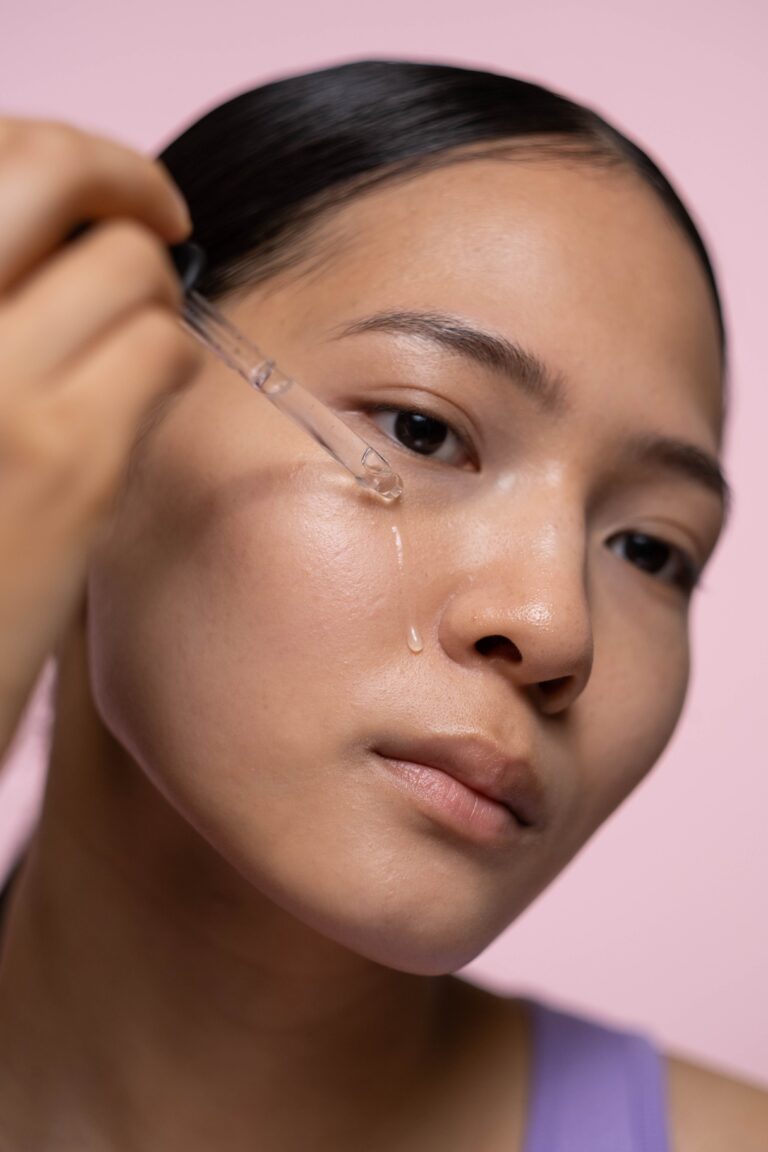


If you’ve ever looked in the mirror a few hours after washing your face and noticed excessive shine, you’re not alone. Oily skin is one of the most common skincare concerns worldwide.Why is my face oily all the time? This is one of the most common skincare questions. Oily skin can be caused by genetics, hormones, skincare habits, and environmental factors. Understanding the cause can help you choose the right skincare routine.
Many people assume that oily skin is caused by poor hygiene, but that’s rarely the case. In reality, several factors can increase oil production, including genetics, hormones, skincare habits, and environmental conditions.
Understanding why your face gets oily can help you build a skincare routine that works with your skin instead of against it.: If you’re still wondering why is my face oily all the time, the answer is often a combination of genetics, hormones, and skincare habits.
Why Is My Face Oily All the Time? Common Causes
Your skin naturally produces an oily substance called sebum. Sebum helps protect and moisturize the skin.
However, when your sebaceous glands produce too much sebum, your face may appear greasy or shiny throughout the day.
Let’s explore the most common reasons behind excessive oil production.

1. Genetics
One of the biggest factors affecting oily skin is genetics.
If your parents have oily skin, you are more likely to experience excess oil production as well.
Unfortunately, genetics cannot be changed, but the right skincare routine can help manage symptoms.
2. Hormonal Changes
Hormones play a major role in regulating oil production.
Hormonal fluctuations during:
- Puberty
- Pregnancy
- Menstruation
- Menopause
- Stress
can stimulate the sebaceous glands and increase sebum production.
3. Overwashing Your Face
Many people try to remove oil by washing their face repeatedly throughout the day.
This often backfires.
Over-cleansing can strip the skin of its natural oils, causing the skin to produce even more oil to compensate.
4. Using Harsh Skincare Products
Alcohol-heavy toners, harsh scrubs, and aggressive cleansers can damage the skin barrier.
When the skin barrier becomes compromised, the skin may react by producing additional oil.
5. Skipping Moisturizer
One of the biggest myths in skincare is that oily skin doesn’t need moisturizer.
In reality, dehydration can cause the skin to produce more oil.
A lightweight moisturizer can help maintain balance and support the skin barrier.
6. Hot and Humid Weather
Climate plays a significant role in skin behavior.
Hot temperatures and high humidity levels often increase sebum production, making the skin appear shinier than usual.
7. Stress
Stress affects hormone levels throughout the body.
When stress hormones increase, oil production often increases as well.
This may explain why some people experience oily skin and breakouts during stressful periods.
8. Using the Wrong Makeup Products
Heavy makeup products may clog pores and contribute to excess shine.
Look for products labeled:
- Oil-free
- Non-comedogenic
- Lightweight
These formulations are often better suited for oily skin.
9. Touching Your Face Frequently
Your hands transfer dirt, oil, and bacteria to your skin.
Frequent touching may worsen shine and contribute to clogged pores.
10. Diet and Lifestyle Factors
Although diet affects everyone differently, some individuals notice increased oiliness when consuming highly processed foods or large amounts of sugary foods.
A balanced diet supports overall skin health.
11. Naturally Large Sebaceous Glands
Some people naturally have larger or more active oil glands.
This doesn’t mean your skin is unhealthy.
In fact, oily skin often shows signs of aging more slowly because natural oils help maintain skin moisture.
How to Reduce Oily Skin
While you cannot completely stop oil production, you can reduce excess shine and maintain healthier skin.
Use a Gentle Cleanser
Wash your face twice daily using a gentle cleanser designed for oily skin.
Avoid harsh products that leave the skin feeling tight or stripped.
Choose Non-Comedogenic Products
Look for skincare and makeup products labeled:
- Non-comedogenic
- Oil-free
- Lightweight
These products are less likely to clog pores.
Use Niacinamide
Niacinamide is one of the most popular skincare ingredients for oily skin.
Potential benefits include:
- Reduced appearance of pores
- Improved skin barrier function
- Better oil balance
Apply Moisturizer Daily
Even oily skin needs hydration.
Choose lightweight gel-based or water-based moisturizers.
Wear Sunscreen Every Day
Many people skip sunscreen because they fear it will make their skin look greasy.
Choose lightweight, non-comedogenic SPF formulas designed specifically for oily skin.
Avoid Over-Exfoliating
Exfoliation can be beneficial, but too much may irritate the skin and trigger additional oil production.
Most people only need exfoliation a few times per week.
Best Ingredients for Oily Skin
Consider products containing:https://glowwithyaala.com/best-moisturizer-for-oily-skin/
- Niacinamide
- Salicylic Acid
- Zinc PCA
- Green Tea Extract
- Clay
- Hyaluronic Acid
These ingredients may help support healthier-looking skin and improve oil balance.
Common Mistakes to Avoid
Avoid these habits:
- Washing your face too often
- Skipping moisturizer
- Using harsh scrubs
- Overusing exfoliating acids
- Sleeping with makeup on
- Constantly touching your face
When Should You See a Dermatologist?
If oily skin is causing severe acne, inflammation, or affecting your confidence despite a consistent skincare routine, consider consulting a dermatologist.
A skincare professional can recommend personalized treatments based on your skin type and concerns.
Final Thoughts
Oily skin is extremely common and is often influenced by genetics, hormones, skincare habits, and environmental factors.If you’ve been wondering why is my face oily all the time, the answer often involves genetics, hormones, skincare habits, and environmental factors.
Instead of trying to eliminate oil completely, focus on maintaining balance through gentle cleansing, proper hydration, and ingredients that support healthy skin.
With the right routine, you can reduce excess shine, improve your skin barrier, and achieve healthier-looking skin over time.If you’re struggling with oily skin, it’s important to understand how your skin barrier and oil production work together. The American Academy of Dermatology recommends using gentle cleansers and non-comedogenic skincare products to help manage excess oil without damaging the skin barrier.
You can also learn more about oily skin, acne, and skincare habits from trusted medical organizations such as the Cleveland Clinic. For readers interested in scientific research, the National Institutes of Health (NIH) provides studies on sebum production, skin health, and dermatology-related topics.
FAQ
Why is my face oily even after washing it?
Overwashing and harsh cleansers can strip the skin, causing it to produce even more oil.
Can moisturizer help oily skin?
Yes. Proper hydration may help reduce excess oil production caused by dehydration.
Is oily skin bad?
No. Oily skin is a natural skin type and often ages more slowly than dry skin.
What ingredient is best for oily skin?
Niacinamide and salicylic acid are among the most commonly recommended ingredients for managing oily skin.
Can stress make my skin oily?
Yes. Stress-related hormonal changes may increase sebum production.
Why is my face oily all the time even after washing it?
Overwashing and harsh cleansers can strip the skin of its natural oils, causing it to produce even more oil.
Why is my face oily all the time during summer?
Hot and humid weather can increase sebum production, making your face appear oilier than usual.