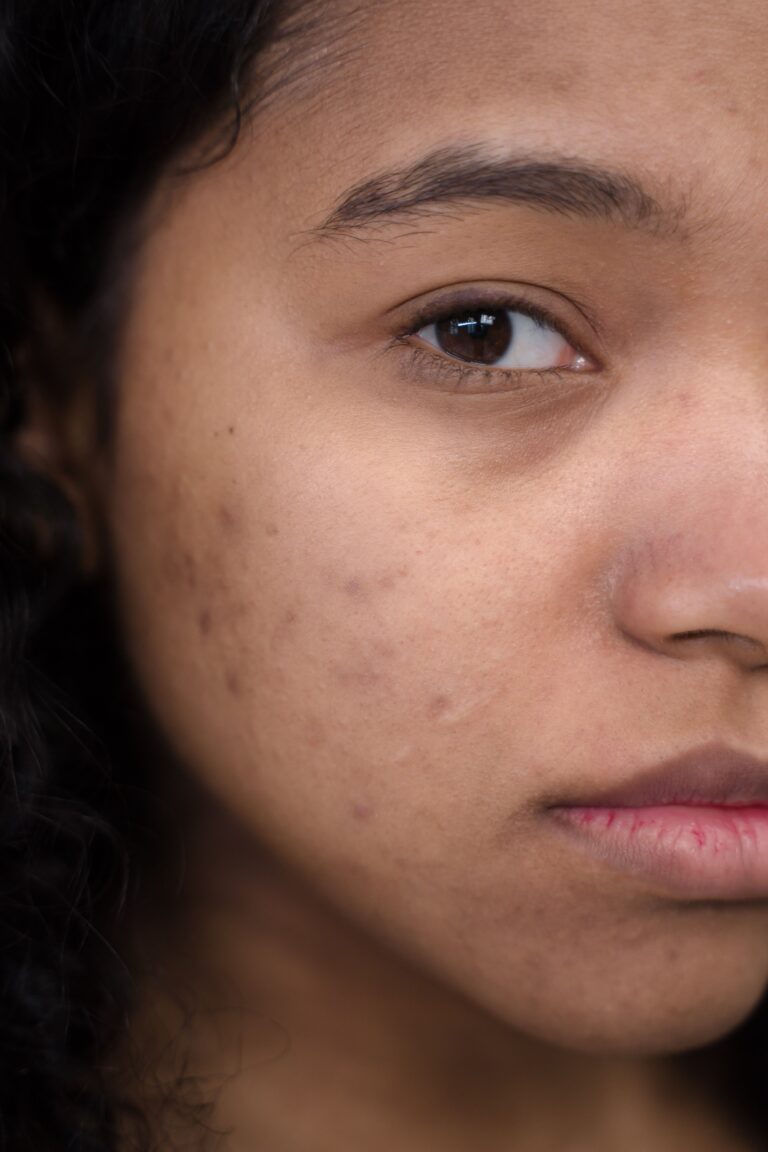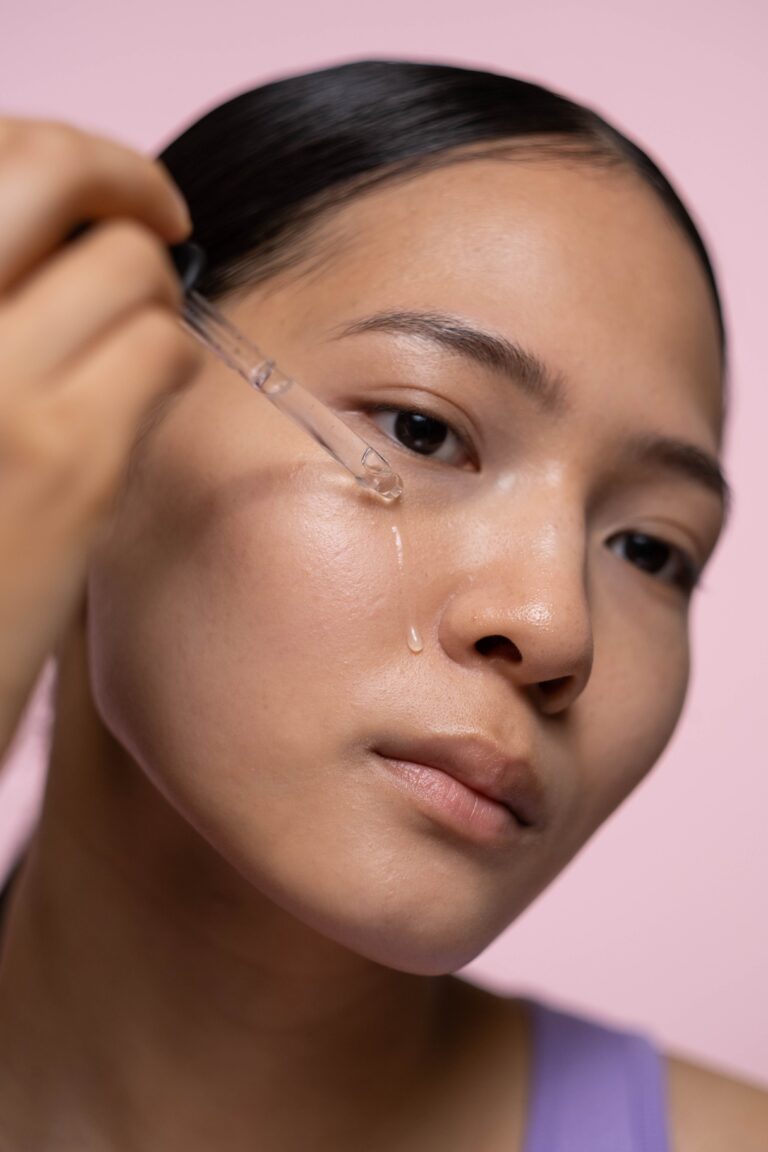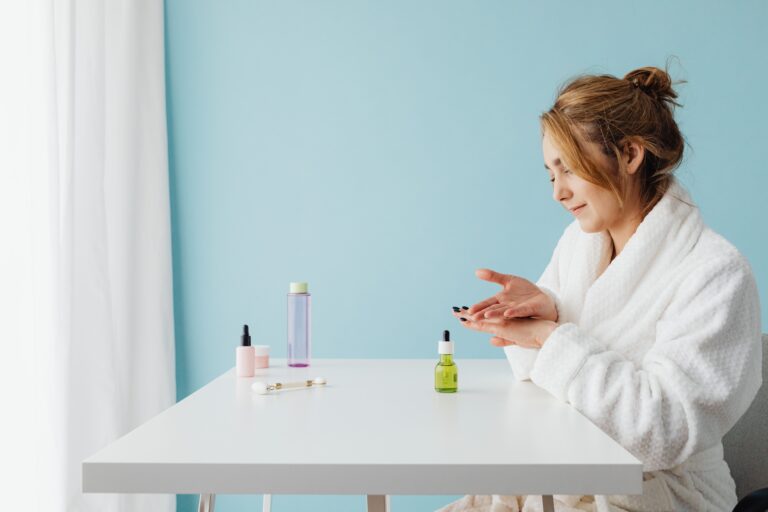
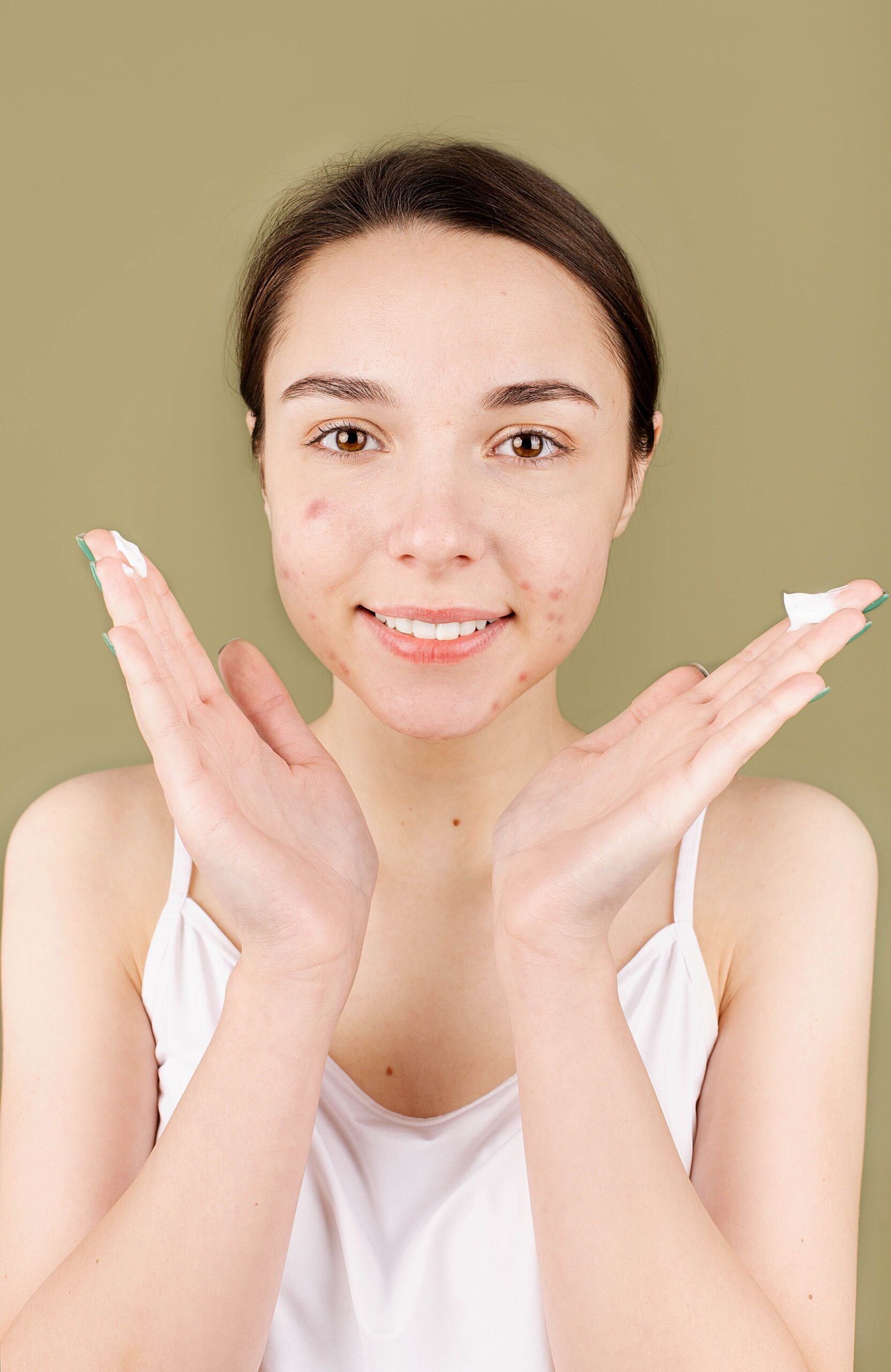

Have you recently started using a new skincare product and suddenly noticed more pimples? If so, you may be wondering whether you’re experiencing skin purging vs breakouts.
Many people stop using skincare products too quickly because they mistake skin purging for a bad reaction. Understanding the difference can help you determine whether a product is working as expected or causing problems for your skin.
In this guide, we’ll explain the key differences between skin purging and breakouts, how long purging lasts, and when you should stop using a product.
What Is Skin Purging?
Skin purging occurs when a skincare product increases the rate of skin cell turnover, causing clogged pores that were already forming beneath the surface to appear more quickly.
In simple terms, the product accelerates your skin’s natural renewal process, bringing underlying congestion to the surface faster than normal.
Skin purging is usually temporary and may indicate that an active ingredient is working as intended.Understanding skin purging vs breakouts can help you avoid stopping a skincare product that may actually be benefiting your skin.
What Are Breakouts?
Breakouts occur when a product irritates your skin, clogs pores, triggers inflammation, or causes an allergic reaction.
Unlike purging, breakouts are not a normal adjustment period.
Instead of improving over time, breakouts often continue or worsen while you use the product.
Skin Purging vs Breakouts: Key Differences
| Feature | Skin Purging | Breakouts |
|---|---|---|
| Cause | Increased skin cell turnover | Irritation, clogged pores, or reaction |
| Timing | Starts soon after introducing active ingredients | Can happen anytime |
| Location | Areas where you usually get acne | New areas where you rarely break out |
| Duration | Usually 4–8 weeks | Can continue indefinitely |
| Outcome | Skin improves after purging ends | Skin often gets worse |
What Ingredients Can Cause Skin Purging?
Certain skincare ingredients are more likely to trigger purging because they speed up skin cell turnover.
Common examples include:
- Retinol
- Retinoids
- Adapalene
- Tretinoin
- Glycolic Acid
- Lactic Acid
- Salicylic Acid
- Chemical exfoliants
If you start using one of these ingredients and notice temporary breakouts, purging may be the cause.

Signs You’re Experiencing Skin Purging
You may be dealing with skin purging if:
- Breakouts appear where you normally get acne
- Pimples heal faster than usual
- You recently started a retinoid or exfoliating acid
- Your skin gradually improves after several weeks
- The reaction began shortly after introducing a new active ingredient
Signs You’re Experiencing Breakouts Instead
The problem is more likely a breakout if:
- Pimples appear in unusual locations
- You develop painful cystic acne
- Skin becomes itchy or irritated
- Redness continues to worsen
- Breakouts persist for more than 8 weeks
- The product contains pore-clogging ingredients
How Long Does Skin Purging Last?
Most cases of skin purging last between 4 and 8 weeks.
The exact timeline depends on:
- Your skin type
- The ingredient being used
- How often the product is applied
- Your skin’s natural turnover rate
If symptoms continue beyond two months, the issue may be breakouts rather than purging.
What Should You Do During Skin Purging?
If you believe you’re experiencing skin purging:
Be Patient
Purging is often temporary.
Stopping treatment too early may prevent you from seeing long-term benefits.
Use Gentle Skincare
Avoid over-exfoliating or introducing multiple active ingredients at the same time.
Moisturize Regularly
Supporting your skin barrier can help reduce irritation during the adjustment period.
Wear Sunscreen Daily
Sun protection is especially important when using retinoids and exfoliating acids.
When Should You Stop Using a Product?
Consider discontinuing a product if:
- Breakouts become severe
- Skin becomes extremely irritated
- You develop swelling or itching
- Acne continues worsening after 8 weeks
- New breakouts appear in unusual areas
If you’re unsure, consult a dermatologist for professional advice.
Common Mistakes People Make
Many people make the following mistakes:
- Using too many active ingredients at once
- Increasing product frequency too quickly
- Stopping treatment after only a few days
- Ignoring signs of irritation
- Skipping moisturizer during treatment
These habits can worsen both purging and breakouts.
Skin Purging and the Skin Barrier
Maintaining a healthy skin barrier is essential while using active ingredients.
A damaged skin barrier may increase irritation and make it harder to distinguish between purging and true breakouts.
For this reason, gentle cleansers, moisturizers, and sunscreen should remain the foundation of every skincare routine.
Final Thoughts
Understanding skin purging vs breakouts can help you avoid unnecessary frustration when starting a new skincare product.When comparing
Purging is generally temporary and occurs when active ingredients accelerate skin cell turnover. Breakouts, on the other hand, are often caused by irritation, clogged pores, or reactions to products.
By paying attention to where blemishes appear, how long they last, and which ingredients you’re using, you can better determine whether your skin is purging or breaking out. comparing skin purging vs breakouts, pay attention to the location, duration, and severity of your symptoms.
Frequently Asked Questions (FAQ)
Is skin purging a good sign?
Skin purging may indicate that certain active ingredients are increasing skin cell turnover. However, not every reaction is purging.
Can moisturizer cause skin purging?
Most moisturizers do not cause purging because they do not significantly increase skin cell turnover.
How long should I wait before stopping a product?
If symptoms persist beyond 6–8 weeks or continue worsening, consider stopping the product and consulting a dermatologist.
Does retinol cause skin purging?
Yes. Retinol is one of the most common skincare ingredients associated with skin purging.How can I tell the difference between skin purging vs breakouts?
Skin purging usually occurs after introducing active ingredients that increase cell turnover, while breakouts are often caused by irritation or clogged pores.How can I tell the difference between skin purging vs breakouts?
Skin purging usually occurs after introducing active ingredients such as retinol, salicylic acid, or glycolic acid that increase skin cell turnover. Breakouts, on the other hand, are often caused by irritation, clogged pores, or a negative reaction to a skincare product. Understanding skin purging vs breakouts can help you determine whether a product is working as intended or causing problems for your skin.
Can salicylic acid cause purging?
Yes. Salicylic acid can increase skin cell turnover and may trigger temporary purging in some individ
Understanding the difference between skin purging and breakouts can help you avoid stopping effective skincare products too soon. According to the American Academy of Dermatology, active ingredients such as retinoids and exfoliating acids can affect skin cell turnover and may temporarily change the appearance of your skin.
For medically reviewed information about acne, skin reactions, and skincare treatments, readers can explore resources from the Cleveland Clinic. Those interested in scientific research can also review dermatology studies and skin health resources from the National Institutes of Health (NIH)