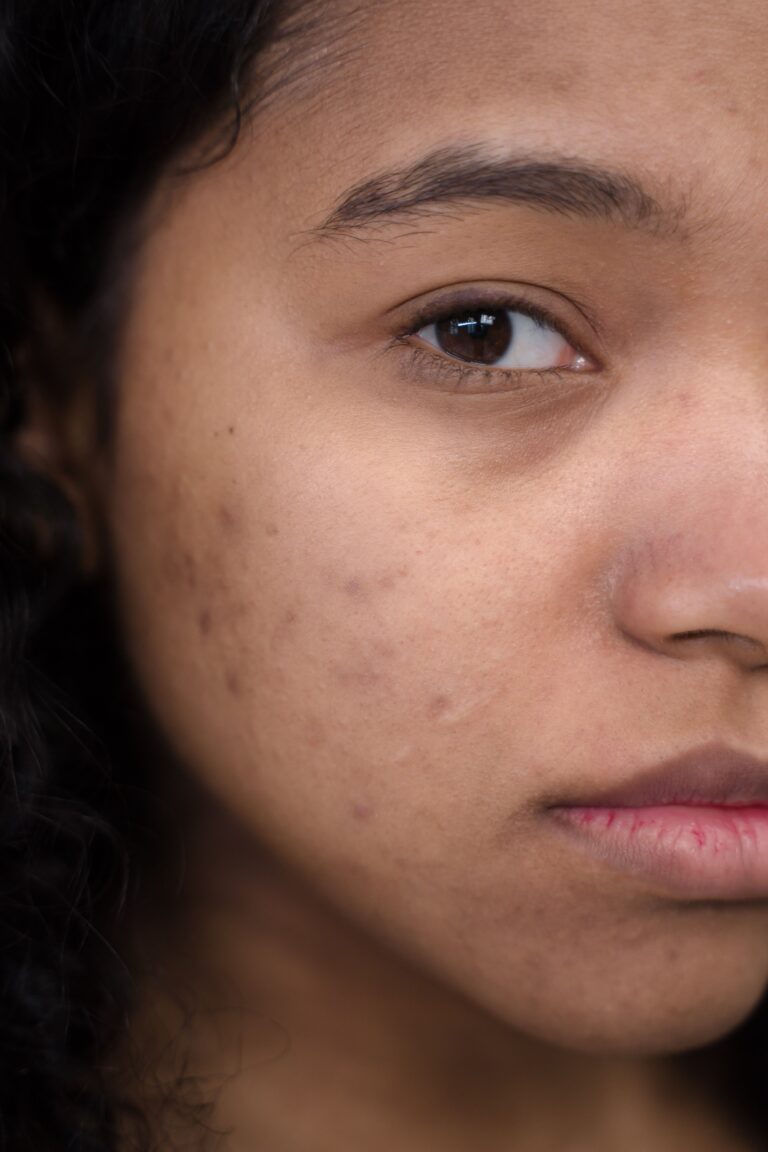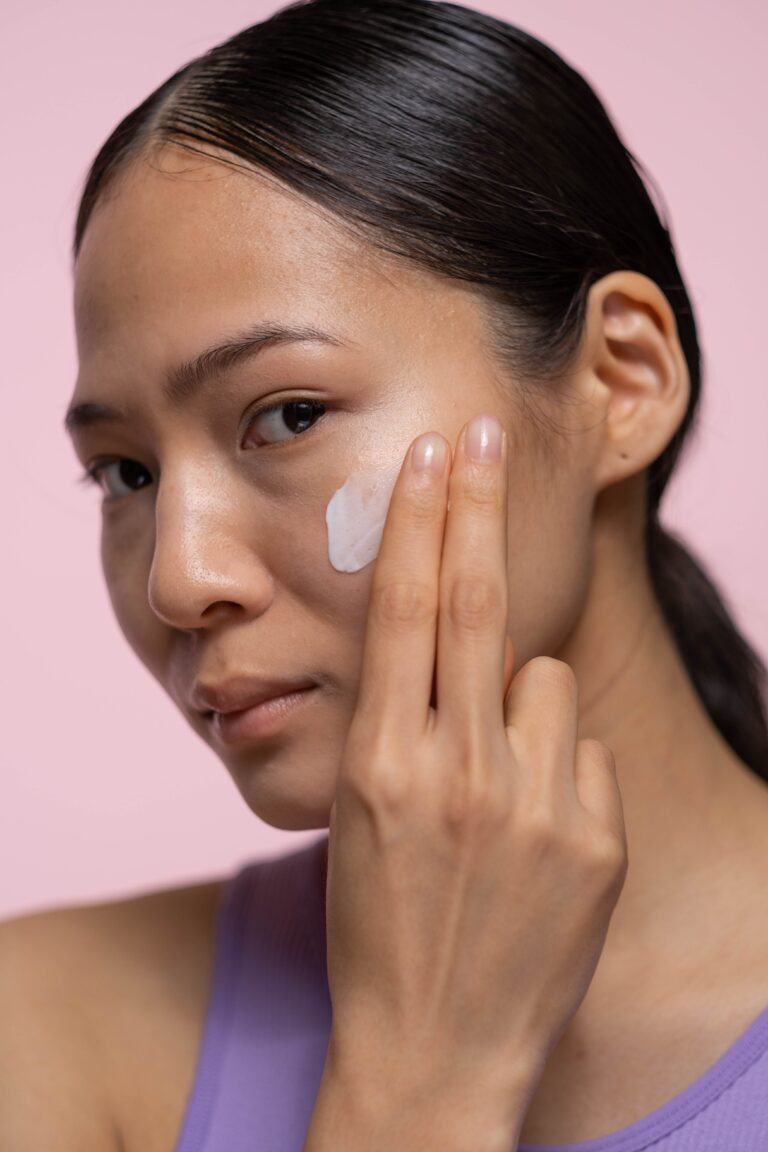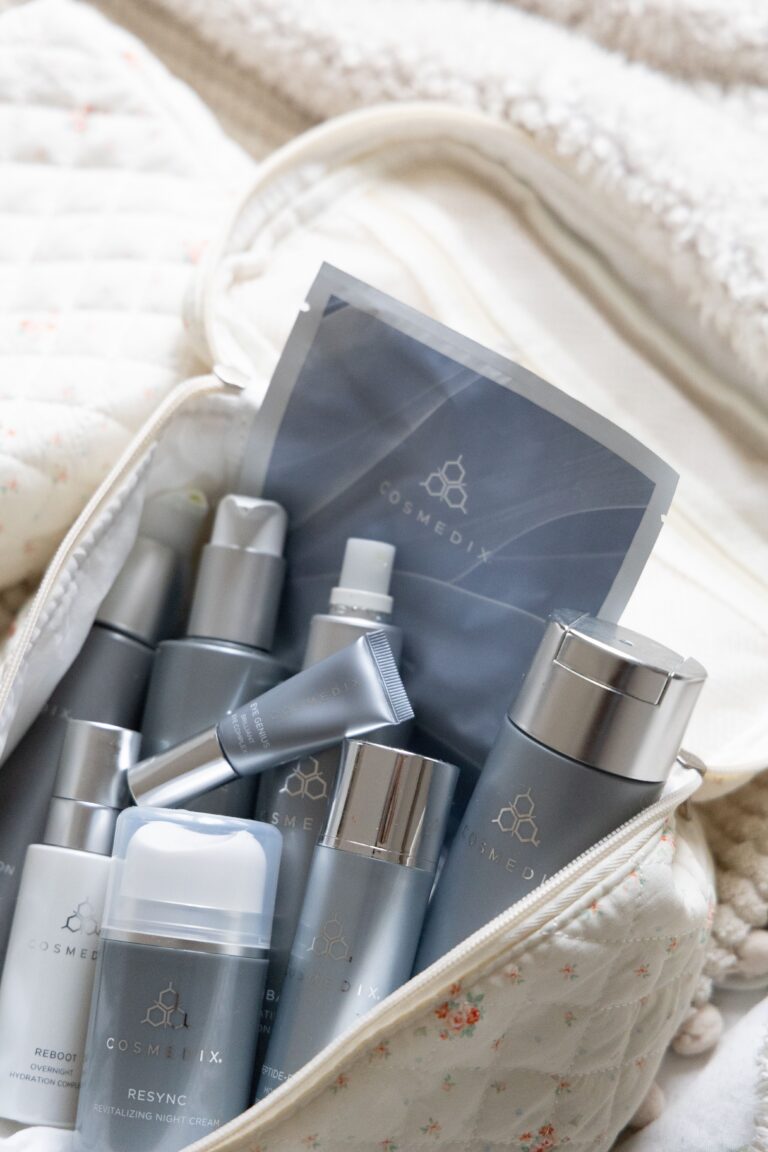


If you are new to skincare, you have probably heard people talk about retinol. It is one of the most popular skincare ingredients because of its ability to improve skin texture, reduce signs of aging, and support clearer-looking skin.Retinol for Beginners can feel confusing at first, especially with so much information online about skincare routines. However, when used correctly, retinol can become one of the most effective ingredients for improving skin texture, reducing signs of aging, and supporting healthier-looking skin.
However, many beginners feel nervous about using retinol because they have heard stories about dryness, irritation, or peeling. The truth is that retinol can be a powerful addition to your skincare routine when you introduce it slowly and use it correctly.
In this beginner-friendly guide, we will explain what retinol is, the benefits it offers, how to start using it safely, and the common mistakes you should avoid.
What Is Retinol?
Retinol is a type of vitamin A derivative commonly used in skincare products. It works by supporting skin cell turnover, which helps remove old skin cells and encourages the appearance of smoother, healthier skin.
Because of its ability to improve multiple skin concerns, retinol has become a favorite ingredient for people looking to improve their overall skin quality.
Why Is Retinol Popular in Skincare?
Retinol has gained popularity because it targets several common skin concerns at the same time.
People use retinol to help with:
- Fine lines and wrinkles
- Uneven skin texture
- Acne and clogged pores
- Dull-looking skin
- Signs of sun damage
Unlike quick fixes, retinol focuses on improving the skin over time through consistent use.
Retinol for Beginners: Benefits You Should Know
1. Helps Reduce the Appearance of Fine Lines
One of the biggest reasons people use retinol is for its anti-aging benefits. Regular use may help skin look smoother and more youthful.
Retinol supports collagen production, which plays an important role in maintaining skin firmness.
2. Improves Skin Texture
If your skin feels rough or uneven, retinol may help create a smoother appearance by encouraging natural skin renewal.
Many users notice:
- Softer skin
- More even texture
- A healthier glow
3. Helps With Acne and Breakouts
Retinol can be beneficial for acne-prone skin because it helps prevent clogged pores.
By supporting clearer pores, it may reduce the chance of new breakouts developing.
4. Brightens Dull Skin
Dead skin cell buildup can make your complexion appear tired. Retinol helps refresh the skin’s surface, revealing a brighter-looking appearance.
5. Supports More Even Skin Tone
Retinol may help improve the appearance of uneven skin tone and post-acne marks when used consistently.
For Retinol for Beginners, starting slowly is the best way to avoid irritation.
Starting slowly is the key to avoiding irritation.
Follow these steps:
Step 1: Choose a Low Strength Retinol
Beginners should start with a lower concentration. Stronger formulas are not always better, especially when your skin is still adjusting.
Step 2: Use Retinol at Night
Retinol is usually applied in the evening because sunlight can affect its stability.
A simple nighttime routine:
- Gentle cleanser
- Retinol
- Moisturizer
Step 3: Start Slowly
Do not use retinol every night when you first begin.
Start with:
- Once or twice per week
- Increase gradually as your skin adapts
Step 4: Always Use Sunscreen
Sunscreen is essential when using retinol. Protecting your skin during the day helps maintain your results and prevents sun-related damage.
Retinol for Beginners should focus on consistency, patience, and protecting the skin barrier.
Using Too Much Product
A small amount is enough. Applying more will not make results appear faster and may increase irritation.
Starting Too Frequently
Using retinol every night immediately can cause dryness and redness.
Skipping Moisturizer
Moisturizer helps support your skin barrier and reduces dryness.
Forgetting Sunscreen
Daily SPF is one of the most important steps in any skincare routine.
Final Thoughts
Retinol can be one of the most effective ingredients in a skincare routine, but patience is important. The best results come from consistent use, proper application, and protecting your skin barrier.
For beginners, the goal is not to use the strongest product—it is to create a routine your skin can handle. Start slowly, listen to your skin, and allow time for retinol to work.
With the right approach, retinol can help you achieve smoother, clearer, and healthier-looking skin.
Retinol vs Retinoid: What Is the Difference?
Many beginners confuse retinol and retinoids because both come from vitamin A and are used for similar skincare goals. However, there is an important difference between the two.
Retinoids are a broader group of vitamin A derivatives, while retinol is a type of retinoid that is commonly available in over-the-counter skincare products.
Retinol
Retinol is a gentler form of vitamin A that is often recommended for skincare beginners. It needs to be converted by the skin into its active form before it can work.
Benefits of retinol include:
- Smoother skin texture
- Improved appearance of fine lines
- Better-looking skin tone
- Support for clearer skin
Because it is milder, retinol usually causes less irritation compared to stronger retinoids.
Retinoids
Retinoids are stronger vitamin A ingredients that are often used for more advanced skincare concerns. Some retinoids are available only through a prescription from a healthcare professional.
Retinoids may provide faster results for concerns such as:
- Moderate to severe acne
- Signs of aging
- Uneven skin texture
However, stronger formulas may also increase the chance of dryness, peeling, and irritation.
Which One Should Beginners Choose?
For most people starting their skincare journey, retinol for beginners is usually the better choice because it allows the skin to adjust gradually.
Start with:
- A low-strength retinol product
- Applying it once or twice a week
- Using moisturizer to support your skin barrier
- Wearing sunscreen every morning
The best ingredient is not always the strongest one. Consistency and proper use are what help you achieve healthier-looking skin over time.
FAQ Section
What is retinol?
Retinol is a vitamin A derivative that helps improve skin texture, reduce fine lines, and support healthy skin cell turnover.
Can beginners use retinol every day?
No. Most beginners should start with 1–2 nights per week and gradually increase frequency.
How long does retinol take to work?
Many people notice improvements within 8–12 weeks, although results vary depending on skin type and concerns.
Dermatologists recommend introducing retinoids slowly to reduce irritation and allow your skin to adjust. American Academy of Dermatology
Best Ingredients to Use With Retinol
When adding retinol to your skincare routine, combining it with the right ingredients can help support your skin and reduce irritation.
Hyaluronic Acid
Hyaluronic acid is a great ingredient to pair with retinol because it helps maintain skin hydration. Since retinol can sometimes cause dryness, using a hydrating serum or moisturizer can help keep your skin comfortable.
Niacinamide
Niacinamide and retinol work well together because niacinamide helps support the skin barrier and calm the appearance of redness. This combination can be especially helpful for beginners who are concerned about irritation.
Ceramides
Ceramides are important for maintaining a healthy skin barrier. Using a moisturizer with ceramides can help prevent dryness and strengthen the skin’s natural protective layer while using retinol.
Ingredients to Avoid Mixing With Retinol
Although retinol can work well with many skincare ingredients, beginners should be careful when combining multiple active ingredients.
Strong Exfoliating Acids
Using retinol together with strong exfoliants like high-strength AHAs or BHAs may increase the chance of dryness and irritation.
Benzoyl Peroxide
Some acne treatments containing benzoyl peroxide may reduce the effectiveness of certain retinoids when used at the same time. If you use both ingredients, consider applying them at different times of the day.
Who Should Be Careful With Retinol?
Retinol is suitable for many people, but it may not be the right choice for everyone.
People with very sensitive skin, damaged skin barriers, or certain skin conditions should introduce retinol carefully. If your skin is already irritated, it is often better to focus on repairing your skin barrier before adding stronger active ingredients.
A simple skincare routine with gentle products can help prepare your skin before starting retinol.
Retinol Routine for Beginners
A beginner-friendly retinol routine does not need to be complicated.
Night Routine:
- Cleanse your face with a gentle cleanser.
- Allow your skin to dry completely.
- Apply a small amount of retinol.
- Follow with a moisturizing cream.
- Avoid using too many active ingredients on the same night.
Morning Routine:
- Gentle cleanser.
- Hydrating serum or moisturizer.
- Broad-spectrum sunscreen.
Daily sunscreen is one of the most important steps because protecting your skin helps maintain the results of your skincare routine.
When Will You See Results From Retinol?
Retinol is not an overnight solution. Many beginners expect immediate changes, but skincare improvements usually happen gradually.
With consistent use, some people may notice:
- Smoother skin texture
- Improved skin brightness
- Fewer clogged pores
- A more even-looking complexion
More significant changes, such as improvements in fine lines and uneven skin tone, may require several months of regular use.
The key to success with retinol is patience. Using a product consistently and avoiding irritation will usually provide better results than using a stronger