
Acne is one of the most common skin concerns that affects people of all ages. Finding the right skincare routine for acne-prone skin can be challenging because every skin type reacts differently to products and ingredients.The best skincare routine for acne-prone skin may vary depending on whether your skin is oily, dry, or sensitive.
The best skincare routine for acne-prone skin focuses on keeping the skin clean, balanced, hydrated, and protected without causing extra irritation. By using the right products consistently, you can reduce breakouts, improve skin texture, and support healthier-looking skin.
In this complete guide, you will learn the best skincare routine for acne-prone skin, including morning and night steps, recommended ingredients, common mistakes to avoid, and tips for maintaining clearer skin.
What Is Acne-Prone Skin?
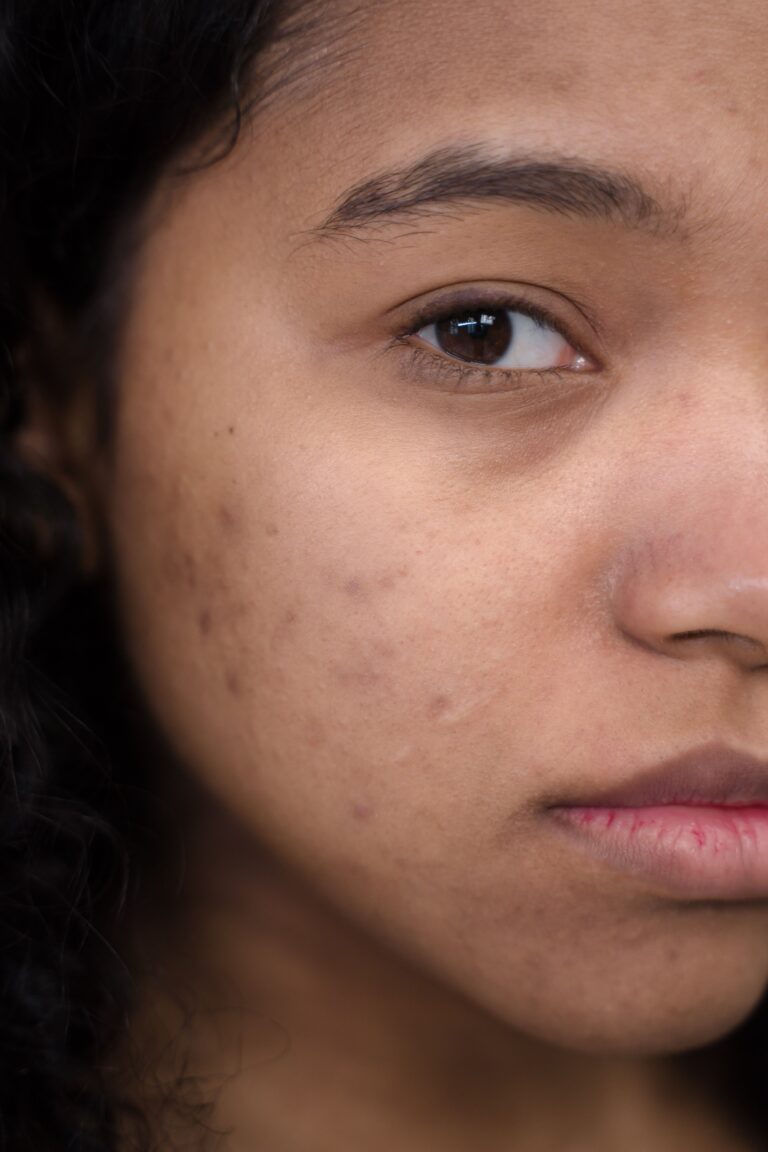
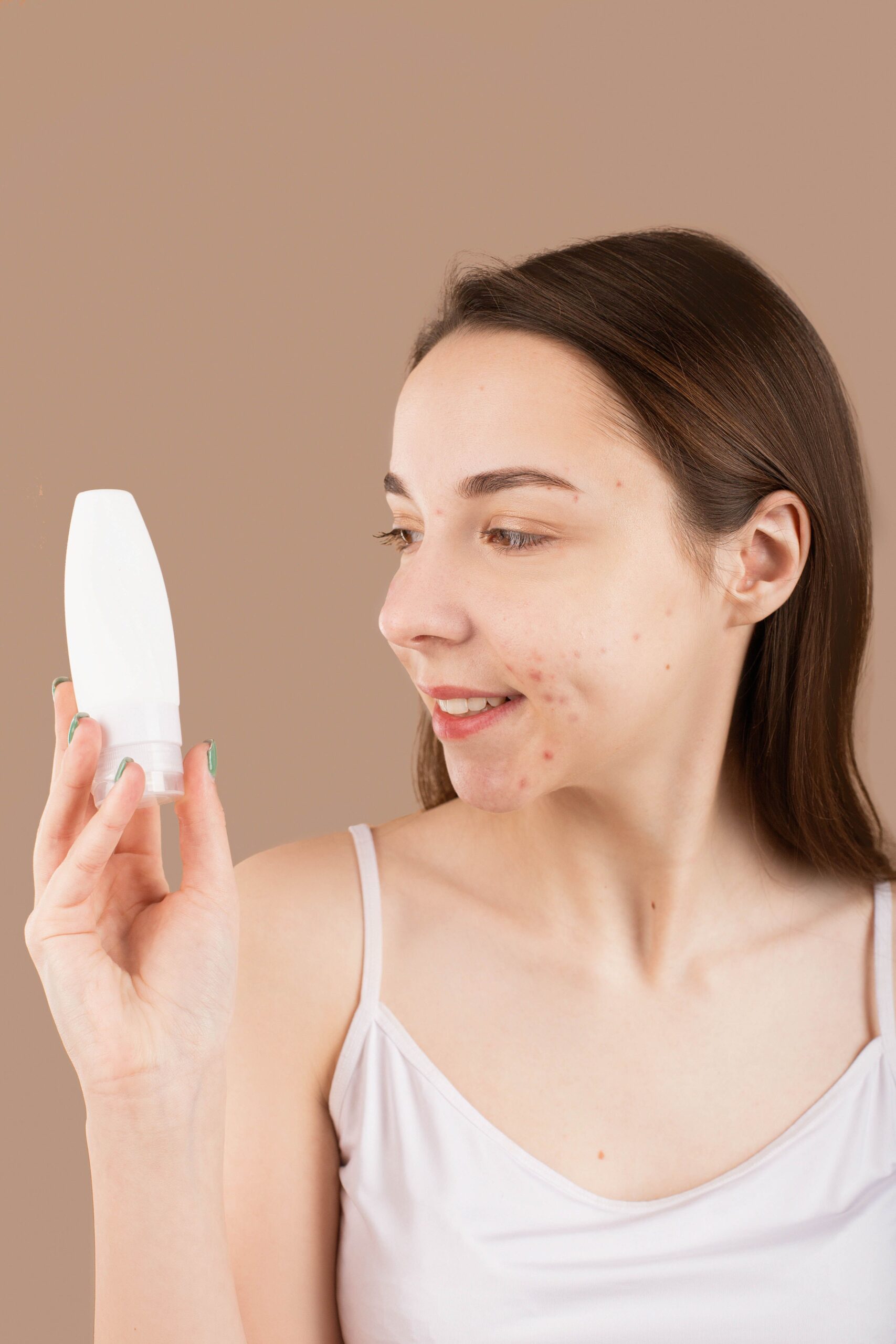
Acne-prone skin is skin that frequently develops pimples, blackheads, whiteheads, clogged pores, or inflammation. This happens when excess oil, dead skin cells, bacteria, and irritation combine to block pores.
People with acne-prone skin may experience:
- Frequent breakouts
- Oily areas, especially around the T-zone
- Enlarged pores
- Redness and irritation
- Acne marks after pimples heal
A proper skincare routine can help manage these concerns and improve the overall appearance of the skin.
Common Causes of Acne
Understanding what causes acne can help you choose better skincare products.
Excess Oil Production
When the skin produces too much oil, it can mix with dead skin cells and clog pores, leading to breakouts.
Dead Skin Cell Buildup
Dead skin cells can accumulate on the surface of the skin and trap oil inside pores.
Bacteria
Certain bacteria on the skin can contribute to inflammation and acne development.
Using the Wrong Products
Heavy or pore-clogging products may make acne worse, especially for oily and sensitive skin types.
Hormonal Changes
Hormonal changes can increase oil production and trigger acne flare-ups.
Best Skincare Routine for Acne-Prone Skin
A consistent routine is more important than using many products. The goal is to support your skin barrier while treating acne concerns.
Morning Skincare Routine for Acne-Prone Skin
Step 1: Gentle Cleanser
Start your morning with a gentle cleanser to remove oil, sweat, and impurities.
Avoid harsh cleansers that make your skin feel tight or dry because this can increase irritation.
Look for ingredients such as:
- Salicylic acid
- Gentle cleansing agents
- Niacinamide
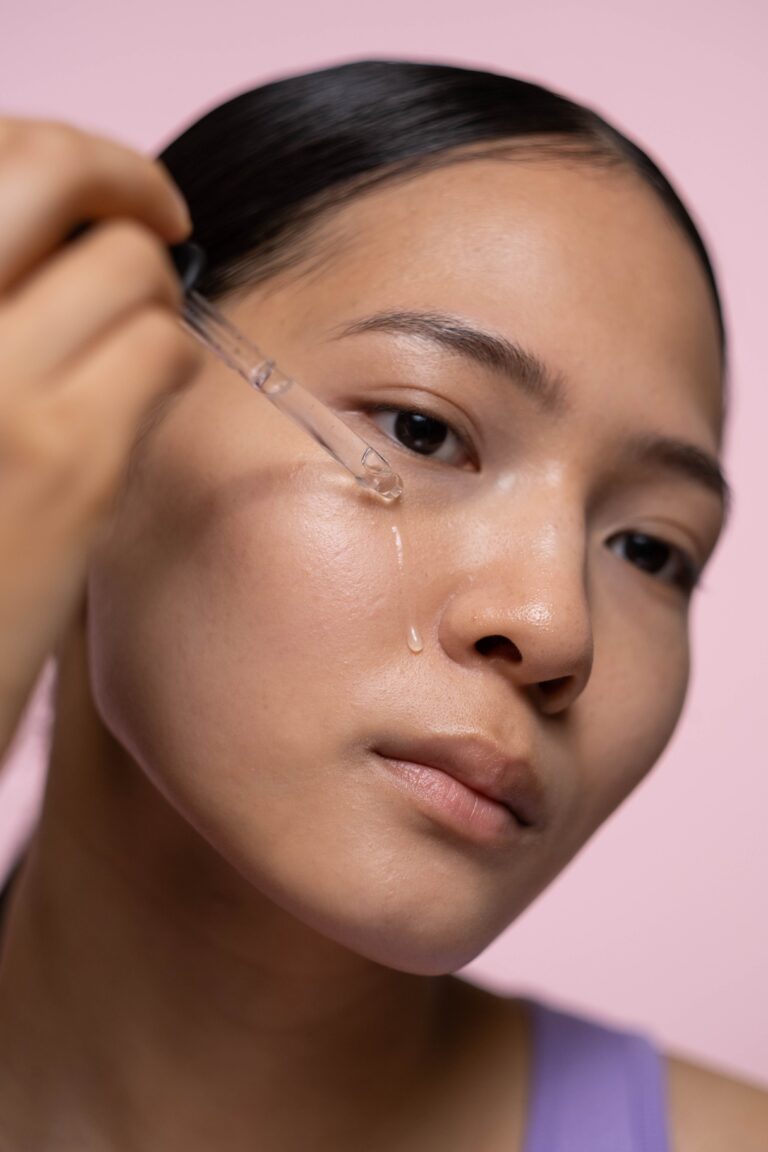
Step 2: Acne-Fighting Serum
A serum can provide targeted benefits for acne-prone skin.
Niacinamide is a popular ingredient because it helps control excess oil, reduce redness, and support the skin barrier.
You can also read our guide about Niacinamide vs Vitamin C to understand how these ingredients work differently.
Step 3: Lightweight Moisturizer
Many people with acne avoid moisturizer, but hydration is essential.
A lightweight, non-comedogenic moisturizer can help maintain a healthy skin barrier without clogging pores.
Look for:
- Hyaluronic acid
- Ceramides
- Glycerin
Step 4: Sunscreen
Sunscreen is an important step for every skincare routine.
Acne treatments can make skin more sensitive to sunlight, and sunscreen helps prevent dark spots from becoming worse.
Choose:
- SPF 30 or higher
- Oil-free formula
- Non-comedogenic sunscreen
You can also learn more from our guide:
Best Sunscreen for All Skin Types: Complete Guide for Daily Protection
Night Skincare Routine for Acne-Prone Skin
Step 1: Clean Your Skin
Remove sunscreen, makeup, dirt, and oil before going to bed.
A clean surface allows skincare products to work better.
Step 2: Use an Acne Treatment Product
Depending on your skin needs, you may use ingredients such as:
- Salicylic acid
- Benzoyl peroxide
- Retinol
Do not use too many active ingredients at the same time because it may cause irritation.
Step 3: Apply Moisturizer
Finish your night routine with a moisturizer to support skin repair while you sleep.
Best Ingredients for Acne-Prone Skin
Niacinamide
Niacinamide is one of the best ingredients for acne-prone skin.
Benefits include:
- Controls oil production
- Reduces redness
- Strengthens the skin barrier
- Improves uneven skin tone
Salicylic Acid
Salicylic acid is a beta-hydroxy acid (BHA) that helps remove dead skin cells and clear clogged pores.
It is especially useful for:
- Blackheads
- Whiteheads
- Oily skin
Benzoyl Peroxide
Benzoyl peroxide helps fight acne-causing bacteria and is commonly used for inflammatory acne.
Retinol
Retinol supports skin renewal and can help improve acne, texture, and post-acne marks.
Beginners should introduce retinol slowly to avoid irritation.
Hyaluronic Acid
Hyaluronic acid helps keep the skin hydrated without adding excess oil.
Hydrated skin often has a stronger barrier and better ability to recover.
How to Choose Products for Acne-Prone Skin
When selecting skincare products, look for:
Non-Comedogenic Products
These products are designed not to block pores.
Gentle Formulas
Avoid products with too much fragrance or harsh ingredients if your skin is sensitive.
Ingredients That Match Your Concerns
For example:
- Oily acne-prone skin → Niacinamide and Salicylic Acid
- Acne marks → Vitamin C and Retinol
- Dry acne-prone skin → Hyaluronic Acid and Ceramides
Skincare Mistakes to Avoid
1. Washing Your Face Too Often
Over-cleansing can damage your skin barrier and increase dryness.
2. Picking Pimples
Picking acne can increase inflammation and cause scars or dark marks.
3. Using Too Many Active Ingredients
Combining many strong ingredients can irritate your skin.
Introduce new products slowly.
4. Skipping Moisturizer
Even oily skin needs hydration.
5. Not Using Sunscreen
Sun exposure can make acne marks darker and slow skin recovery.For more information about sun protection and healthy skin habits, visit American Academy of Dermatology.
Tips for Preventing Breakouts
Follow these simple habits:
- Clean your face after sweating
- Change pillowcases regularly
- Avoid touching your face frequently
- Remove makeup before sleeping
- Stay consistent with your routine
- Give products enough time to work
Can Vitamin C Help Acne-Prone Skin?
Vitamin C is not a direct acne treatment, but it can help improve the appearance of acne marks and uneven skin tone.
It works well when combined with other acne-supporting ingredients.
For more information, see our article:
5 Powerful Vitamin C Serums for Bright Skin
Frequently Asked Questions
What Is the Best Skincare Routine for Acne-Prone Skin?
The best skincare routine for acne-prone skin includes gentle cleansing, acne treatment, moisturizer, and daily sunscreen.
Can Niacinamide Help Acne?
Yes. Niacinamide can help reduce oil production, redness, and support healthier skin.
Should Acne-Prone Skin Use Moisturizer?
Yes. Moisturizer helps maintain the skin barrier and prevent excessive dryness.
How Long Does It Take to See Results?
Most skincare products require several weeks of consistent use before noticeable improvements appear.
Can I Use Retinol and Niacinamide Together?
Yes. Many people use both ingredients together because they provide complementary benefits.
Final Verdict
The best skincare routine for acne-prone skin is simple, consistent, and focused on ingredients that support healthy skin.Following the best skincare routine for acne-prone skin consistently can help improve your skin health over time.
A good routine should include:
- Gentle cleanser
- Acne-supporting ingredients
- Lightweight moisturizer
- Daily sunscreen
Remember that skincare results take time. With patience, consistency, and the right products, you can improve your skin texture, reduce breakouts, and achieve healthier-looking skin.
At GlowWithYaala, we share practical skincare guides to help you build a routine that works for your unique skin needs.Salicylic acid and benzoyl peroxide are commonly recommended acne-fighting ingredients. Learn more about acne treatments from American Academy of Dermatology.