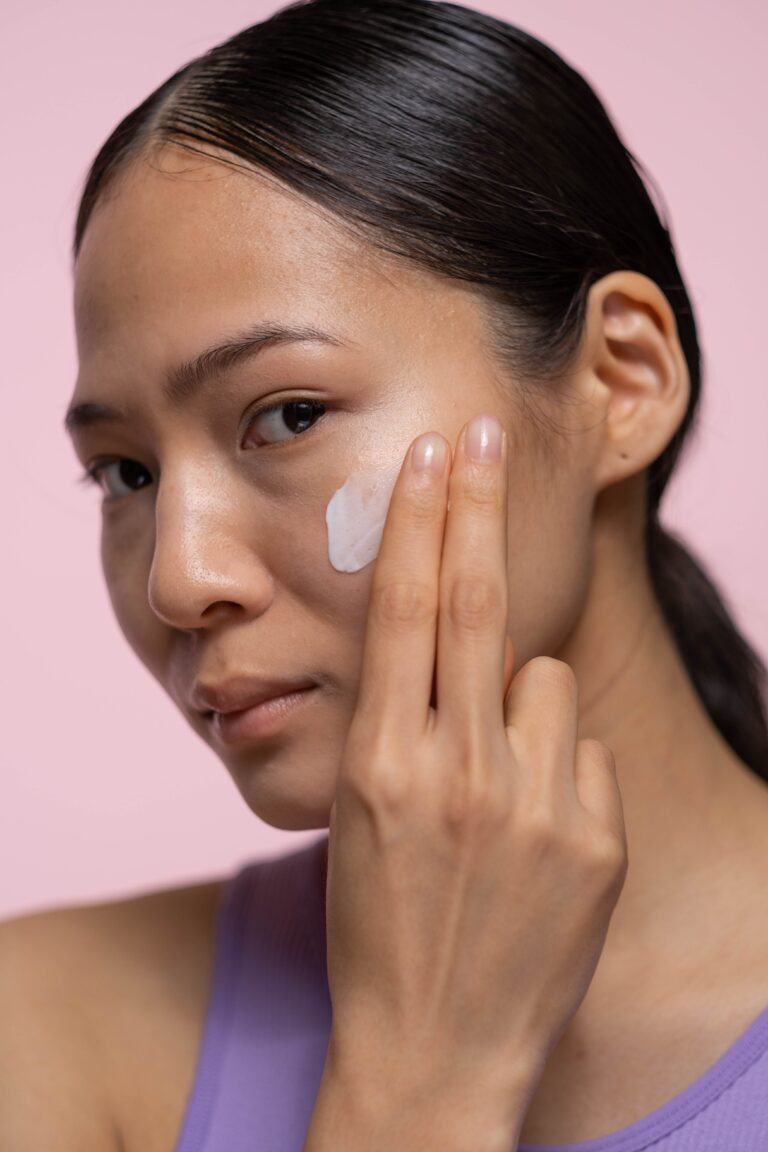


When it comes to skincare ingredients, two names consistently stand out: Niacinamide and Vitamin C. Both ingredients are widely recommended by dermatologists and skincare experts because of their ability to improve skin health, reduce discoloration, and support a youthful appearance.”Understanding Niacinamide vs Vitamin C can help you choose the right skincare ingredient for your skin concerns.”
However, many people still wonder: Niacinamide vs Vitamin C—which one is better? The answer depends on your skin type, concerns, and skincare goals.
In this comprehensive guide, you’ll learn the differences between Niacinamide and Vitamin C, their benefits, how they work, whether they can be used together, and which one may be the best choice for your skin.”In the debate of Niacinamide vs Vitamin C, the best choice depends on your skin goals.
What Is Niacinamide?
Niacinamide, also known as Vitamin B3, is a water-soluble vitamin that plays an essential role in maintaining healthy skin. It is one of the most versatile skincare ingredients because it addresses multiple skin concerns at the same time.
Benefits of Niacinamide
- Reduces excess oil production
- Minimizes the appearance of pores]
- Improves skin barrier function
- Helps fade dark spots and hyperpigmentation
- Reduces redness and inflammation
- Supports acne-prone skin
- Improves skin texture
- Reduces fine lines and wrinkles
Niacinamide is generally suitable for all skin types, including sensitive skin.
What Is Vitamin C?
Vitamin C is a powerful antioxidant that protects the skin from environmental damage caused by pollution, UV rays, and free radicals. It is best known for its brightening and anti-aging properties.When comparing Niacinamide vs Vitamin C, the best choice depends on your main skin concern, such as acne, dark spots, sensitivity, or aging.
Benefits of Vitamin C
- Brightens dull skin
- Reduces hyperpigmentation
- Helps fade acne scars
- Stimulates collagen production
- Reduces fine lines and wrinkles
- Protects against environmental damage
- Improves overall skin radiance
Vitamin C is especially beneficial for people dealing with uneven skin tone, sun damage, and signs of aging.Keyword Density is 0.39 which is low, the Focus Keyword and combination appears 6 times.
URL is 51 characters long. Kudos!
Great! You are linking to external resources.
We found 3 outbound links in your content and all of them are nofollow.
You are linking to other resources on your website which is great.
You haven’t used this Focus Keyword before.
Niacinamide vs Vitamin C: Key Differences
Although both ingredients offer skin-brightening benefits, they work differently.
| Feature | Niacinamide | Vitamin C |
|---|---|---|
| Skin Brightening | Good | Excellent |
| Acne Control | Excellent | Moderate |
| Oil Regulation | Excellent | Limited |
| Anti-Aging | Good | Excellent |
| Hyperpigmentation | Good | Excellent |
| Sensitive Skin | Very Suitable | May Cause Irritation |
| Skin Barrier Support | Excellent | Moderate |
| Antioxidant Protection | Moderate | Excellent |
Niacinamide Benefits Explained
1. Controls Excess Oil
Niacinamide helps regulate sebum production, making it an excellent option for oily and acne-prone skin.
2. Strengthens the Skin Barrier
A strong skin barrier helps protect the skin from irritation, dehydration, and environmental damage.
3. Reduces Redness
People with sensitive or irritated skin often benefit from Niacinamide because it helps calm inflammation.
4. Improves Skin Texture
Regular use can make the skin appear smoother and more refined.
5. Helps Fade Dark Spots
Niacinamide reduces the transfer of pigment within the skin, helping dark spots fade over time.
Vitamin C Benefits Explained
1. Brightens the Skin
Vitamin C is one of the most effective ingredients for improving skin radiance and reducing dullness.
2. Fights Free Radical Damage
As a powerful antioxidant, Vitamin C helps neutralize free radicals that contribute to premature aging.
3. Stimulates Collagen Production
Collagen is essential for maintaining firm, youthful-looking skin.
4. Reduces Hyperpigmentation
Vitamin C helps inhibit melanin production, making it effective for dark spots and uneven skin tone.
5. Improves Sun Damage
While it is not a substitute for sunscreen, Vitamin C can help reduce visible signs of sun damage.
Which Is Better for Hyperpigmentation?
If your primary concern is hyperpigmentation, both ingredients can help.
However, Vitamin C is generally considered more effective because it directly targets melanin production and brightens the skin.
Winner: Vitamin C
Which Is Better for Acne?
Niacinamide is usually the better choice for acne-prone skin because it:
- Controls oil production
- Reduces inflammation
- Strengthens the skin barrier
- Minimizes enlarged pores
Winner: Niacinamide
Which Is Better for Anti-Aging?
Vitamin C has a slight advantage because it stimulates collagen production while providing antioxidant protection.
Winner: Vitamin C
Which Is Better for Sensitive Skin?
Niacinamide is usually gentler and less likely to cause irritation.
People with sensitive skin often tolerate Niacinamide better than Vitamin C.
Winner: Niacinamide
Can You Use Niacinamide and Vitamin C Together?
Yes. Modern skincare research shows that Niacinamide and Vitamin C can be safely used together.
The old belief that these ingredients should not be combined has largely been disproven.
When used together, they can provide:
- Brighter skin
- Improved skin tone
- Better hydration
- Enhanced antioxidant protection
- Reduced dark spots
- Stronger skin barrier
How to Use Niacinamide and Vitamin C Together
Morning Routine
- Gentle cleanser
- Vitamin C serum
- Niacinamide serum
- Moisturizer
- Sunscreen (SPF 30 or higher)
Evening Routine
- Cleanser
- Niacinamide serum
- Moisturizer
This routine helps maximize the benefits of both ingredients.
Potential Side Effects
Niacinamide Side Effects
Niacinamide is generally well tolerated, but some people may experience:
- Mild irritation
- Temporary redness
- Breakouts when using very high concentrations
Vitamin C Side Effects
Vitamin C may cause:
- Stinging
- Dryness
- Irritation
- Redness, especially in sensitive skin
Patch testing is recommended before introducing any new skincare product.
Who Should Choose Niacinamide?
Niacinamide may be the better option if you have:
- Oily skin
- Acne-prone skin
- Enlarged pores
- Sensitive skin
- Skin barrier damage
- Redness and irritation

Who Should Choose Vitamin C?
Vitamin C may be the better choice if you have:
- Dark spots
- Hyperpigmentation
- Sun damage
- Dull skin
- Fine lines
- Wrinkles
Best Results: Use Both
For many people, the best approach is not choosing one over the other.
Using both Niacinamide and Vitamin C can create a more complete skincare routine that addresses multiple concerns simultaneously.
Vitamin C helps brighten and protect the skin, while Niacinamide strengthens the skin barrier and controls oil production.
Together, they can help achieve healthier, smoother, and more radiant skin.
Frequently Asked Questions
Can I Use Niacinamide and Vitamin C Every Day?
Yes. Most people can safely use both ingredients daily.
Which Comes First, Niacinamide or Vitamin C?
Vitamin C is typically applied first, followed by Niacinamide.
Is Niacinamide Better Than Vitamin C?
Neither ingredient is universally better. The best choice depends on your skincare concerns.
Can Niacinamide Replace Vitamin C?
No. Each ingredient offers unique benefits, and they complement each other well.
Is Vitamin C Good for Acne?
Vitamin C can help reduce post-acne marks and inflammation, but Niacinamide is generally more effective for active acne.
Common Mistakes to Avoid When Using Niacinamide and Vitamin C
Using Niacinamide and Vitamin C can improve your skin, but making some common mistakes may reduce results or cause irritation. Here are the mistakes you should avoid:
1. Using Too Many Active Ingredients at Once
One common skincare mistake is combining too many powerful ingredients together. Using Vitamin C, retinol, exfoliating acids, and other active ingredients at the same time may irritate your skin.
Start with one or two active ingredients and allow your skin to adjust.
2. Applying Too Much Product
More product does not always mean better results. Applying excessive amounts of Niacinamide or Vitamin C can cause dryness, redness, or irritation.
A few drops of serum are usually enough for the entire face.
3. Skipping Sunscreen
Using Vitamin C without sunscreen is a common mistake. Sunscreen is essential because UV exposure can worsen dark spots and premature aging.
Always apply a broad-spectrum sunscreen with SPF 30 or higher during the day.
4. Using the Wrong Concentration
High concentrations are not always better. Beginners should avoid starting with very strong formulas because they may cause irritation.
Choose a concentration that matches your skin type and sensitivity.
5. Expecting Results Overnight
Skincare requires consistency and patience. Niacinamide and Vitamin C need regular use over time to show visible improvements.
Most people notice changes after several weeks of consistent use.
6. Not Doing a Patch Test
Before applying a new skincare product to your entire face, test a small amount on another area of skin first.
A patch test can help you identify possible irritation or allergic reactions.
7. Storing Vitamin C Incorrectly
Vitamin C can become unstable when exposed to light, heat, and air.
Store your Vitamin C serum in a cool, dark place and close the bottle properly after use.
8. Ignoring Your Skin Type
Not every ingredient works the same way for everyone.
- Oily and acne-prone skin may benefit more from Niacinamide.
- Dull skin and dark spots may benefit more from Vitamin C.
- Sensitive skin may need a gentle approach.
Choosing products based on your skin needs will give better results.
9. Using Expired Products
Expired skincare products may lose effectiveness and can sometimes irritate the skin.
Always check the expiration date and replace products when needed.
Avoiding these mistakes can help you get the maximum benefits from Niacinamide vs Vitamin C and create a safer, more effective skincare routine.
final Verdict
The debate between Niacinamide vs Vitamin C doesn’t have a one-size-fits-all answer. If your goal is controlling oil, reducing acne, and strengthening your skin barrier, Niacinamide is the better option. If you want brighter skin, improved collagen production, and stronger anti-aging benefits, Vitamin C is the clear winner.
For the best overall skincare results, many experts recommend using both ingredients together. Their combined benefits can help improve skin tone, texture, brightness, and overall skin health, making them one of the most powerful skincare combinations available today.
Learn more about Niacinamide from American Academy of Dermatology https://www.aad.org?utm_sourceRead additional information about Vitamin C at National Institutes of Health.