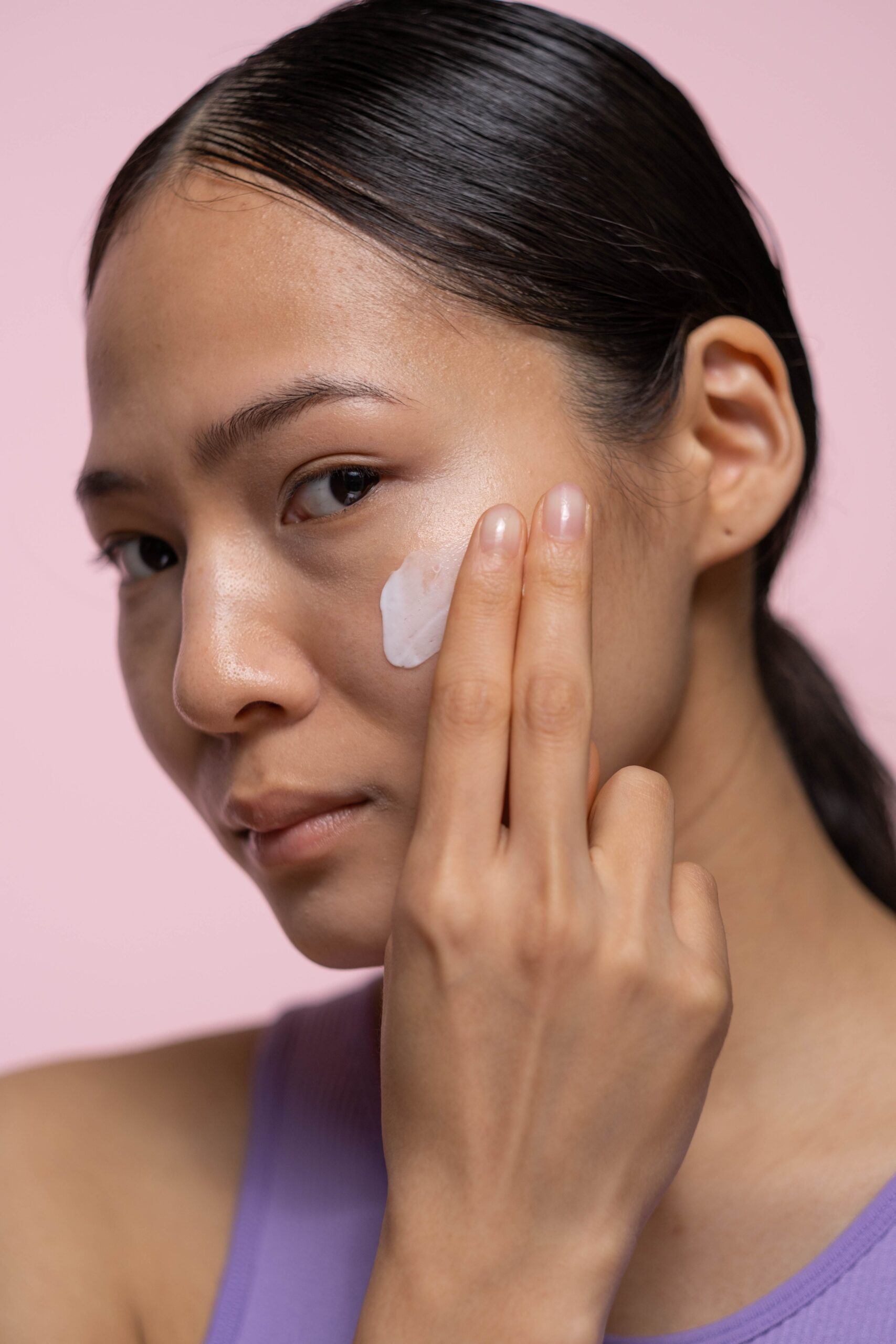

If you have oily skin, finding the right sunscreen can be frustrating. Many sunscreens feel heavy, leave a greasy finish, or make your face look shiny shortly after application. But skipping sunscreen is not the solution.Finding the best sunscreen for oily skin can be frustrating. Many sunscreens feel heavy, leave a greasy finish, or make your face look shiny shortly after application. But skipping sunscreen is not the solution. The right sunscreen for oily skin should provide reliable sun protection while feeling lightweight and comfortable on the skin.
The right sunscreen for oily skin should provide reliable sun protection while feeling lightweight and comfortable on the skin. Ideally, it should absorb easily, work well under makeup, and avoid making your skin feel excessively oily throughout the day.
In this guide, we’ll explain what to look for when choosing sunscreen for oily skin, how to apply it correctly, and the features that can make a sunscreen a better choice for everyday use.
Why Sunscreen Is Important for Oily Skin
Oily skin still needs daily sun protection. Excess oil does not protect your skin from ultraviolet (UV) radiation.Finding the best sunscreen for oily skin depends on your skin type, preferred finish, and daily routine.
Regular sunscreen use can help protect the skin from sunburn and long-term UV damage. It can also be especially important if you are trying to improve the appearance of dark spots, acne marks, or uneven skin tone because UV exposure can make discoloration more noticeable.The American Academy of Dermatology recommends choosing a sunscreen with SPF 30 or higher, broad-spectrum protection, and water resistance.
If you use skincare ingredients such as vitamin C, retinoids, or exfoliating acids, consistent sun protection is also an important part of a well-rounded skincare routine.
What Makes a Sunscreen Good for Oily Skin?
When shopping for the best sunscreen for oily skin, pay attention to the texture and finish rather than choosing a product simply because it is marketed for oily skin.
1. Lightweight Texture
Gel, fluid, serum-like, or lightweight lotion formulas can be more comfortable for oily skin than thick creams.
A lighter texture is also easier to layer over your morning skincare routine.
2. Non-Greasy Finish
If your skin becomes shiny quickly, look for a sunscreen described as lightweight, non-greasy, or with a natural or matte finish.
However, remember that a matte finish is not automatically better. The most important thing is finding a formula that feels comfortable enough for you to use consistently.
3. Broad-Spectrum Protection
Choose sunscreen that provides broad-spectrum protection against UVA and UVB radiation.
For everyday use, dermatology organizations generally recommend sunscreen with SPF 30 or higher.
4. Non-Comedogenic Formula
If you have oily or acne-prone skin, you may prefer a sunscreen labeled non-comedogenic.
This means the product is formulated with a lower likelihood of clogging pores, although individual skin can still react differently to products.
5. Comfortable Under Makeup
If you wear makeup, choose a sunscreen that layers well without pilling or becoming excessively shiny.
A lightweight sunscreen can make your morning routine much easier.Looking for a lightweight sunscreen for oily skin? Check out available sunscreen options here →
7 Features to Look for in the Best Sunscreen for Oily Skin
Instead of focusing only on brand names, use this checklist when comparing sunscreens:
Lightweight and Fast-Absorbing
A sunscreen that absorbs quickly can feel more comfortable when your skin already produces excess oil.
Matte or Natural Finish
A matte finish may help reduce the appearance of shine, while a natural finish can be a better choice if matte products make your skin feel dry.
SPF 30 or Higher
For daily protection, SPF 30 or higher is a useful baseline.
Broad-Spectrum Protection
Look for broad-spectrum protection so your sunscreen protects against both major types of UV radiation.
Water Resistance When Needed
If you exercise, sweat heavily, or spend time outdoors, water-resistant sunscreen can be useful.
Remember that water-resistant does not mean waterproof. Sunscreen still needs to be reapplied.
Fragrance-Free Options
If your skin is easily irritated, a fragrance-free formula may be worth considering.
Non-Comedogenic
For oily and acne-prone skin, non-comedogenic products may be preferable.
How to Apply Sunscreen Correctly
Even the best sunscreen will not work as intended if you don’t apply enough.
Apply sunscreen as the final step of your morning skincare routine, before makeup.Ultimately, the best sunscreen for oily skin is one that provides reliable protection and feels comfortable enough to use every day.
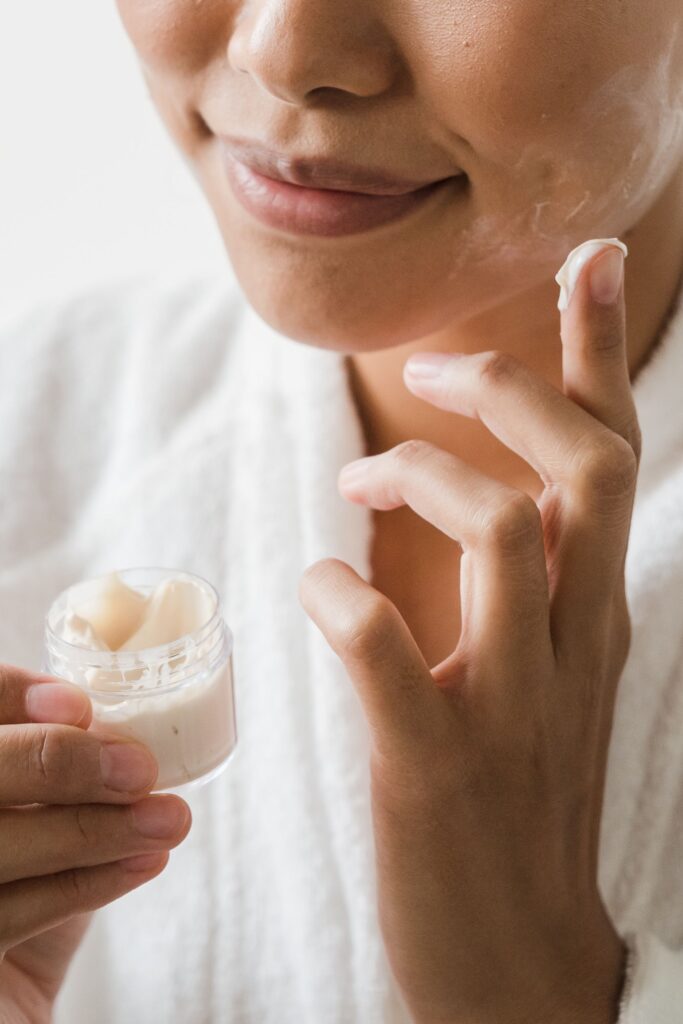
A commonly used recommendation for the face is approximately two finger lengths of sunscreen, although the exact amount can vary depending on the product and application method.
Don’t forget areas that are often missed, including:
- Ears
- Neck
- Hairline
- Around the eyes, while avoiding direct contact with the eyes
- Other exposed areas of skin
Apply sunscreen before going outside and allow it to set before applying makeup.
If you are spending extended time outdoors, sweating, or swimming, reapplication becomes especially important.
Should You Use Sunscreen If You Have Acne-Prone Oily Skin?
Yes. Having oily or acne-prone skin does not mean you should stop using sunscreen.
In fact, sunscreen can be particularly useful if you’re dealing with acne marks or uneven pigmentation. Sun exposure can contribute to the appearance of discoloration and may make some dark marks harder to fade.
If sunscreen seems to cause breakouts, don’t give up on sun protection completely. Instead, try a different texture or formula.
A lightweight gel, fluid, or non-comedogenic sunscreen may feel better than a rich cream.
Sunscreen and Dark Spots
If dark spots are one of your main skincare concerns, sunscreen should be one of your everyday priorities.
You can use products containing ingredients such as vitamin C or niacinamide as part of a routine designed to improve the appearance of uneven skin tone, but daily sun protection remains essential.
Without consistent sunscreen use, continued UV exposure can work against your efforts to improve the appearance of pigmentation.
This is why a simple routine can be more effective than using many active ingredients without daily sun protection.
How to Build a Simple Morning Routine for Oily Skin
If you have oily skin, your morning routine does not need to contain many products.
A simple routine can look like this:
Step 1: Cleanser
Use a gentle cleanser to remove excess oil and overnight buildup without leaving your skin feeling stripped.
Step 2: Lightweight Hydrating Product
If your skin needs additional hydration, use a lightweight serum or essence.
Step 3: Treatment
Depending on your skincare goals, you might use ingredients such as niacinamide or vitamin C.
Step 4: Lightweight Moisturizer
If your sunscreen already provides enough hydration, you may not need a heavy moisturizer. However, this depends on your skin and the sunscreen formula.
Step 5: Sunscreen
Finish with a broad-spectrum SPF 30 or higher sunscreen.
The goal is not to make your routine as long as possible. The goal is to create a routine you can follow consistently.
Common Sunscreen Mistakes People With Oily Skin Make
Using Too Little Sunscreen
One of the most common mistakes is applying too little because sunscreen feels heavy.
Instead of reducing the amount, look for a formula with a texture you can comfortably apply at the recommended amount.
Skipping Sunscreen on Cloudy Days
UV exposure doesn’t disappear simply because the weather is cloudy.
Daily sunscreen can help provide more consistent protection.
Only Applying Sunscreen Once
If you’re outdoors for an extended period, sunscreen may need to be reapplied, especially after sweating or swimming.
Choosing Products Only Because They Say “For Oily Skin”
Marketing claims can be useful, but your skin’s actual response matters more.
Two products marketed for oily skin can feel completely different.
Forgetting the Neck
Many people carefully apply sunscreen to their face but forget their neck and other exposed areas.
Make sunscreen part of your overall morning routine rather than treating it as a face-only product.
Best Sunscreen for Oily Skin: What Should You Choose?
The best sunscreen for oily skin is not necessarily the most expensive one or the one with the most impressive packaging.
The best choice is a sunscreen that:
- Provides broad-spectrum protection
- Has SPF 30 or higher
- Feels lightweight on your skin
- Does not leave you excessively greasy
- Works with your other skincare products
- Fits your skin concerns and lifestyle
- Is comfortable enough to use every day
If you have oily and acne-prone skin, you may prefer a lightweight, non-comedogenic formula. If you spend a lot of time outdoors, consider a water-resistant option.
Most importantly, choose a sunscreen you will actually use consistently.
Final Thoughts
Finding the best sunscreen for oily skin is mostly about finding the right balance between protection, texture, and comfort.
You don’t need to avoid sunscreen because your skin is oily. Instead, look for lightweight formulas with broad-spectrum SPF 30 or higher, and consider non-comedogenic options if you’re prone to clogged pores or breakouts.
A simple skincare routine can be enough: cleanse, hydrate if needed, use your preferred treatment, and finish with sunscreen every morning.
If you’re also working on dark spots, acne marks, or uneven skin tone, consistent sunscreen use can be one of the most important parts of your routine.
Remember: the best sunscreen is ultimately the one that gives you reliable protection and feels comfortable enough that you’ll use it every day.
requently Asked Questions
1. What is the best sunscreen for oily skin?
The best sunscreen for oily skin is lightweight, non-greasy, broad-spectrum, and SPF 30 or higher. A gel, fluid, or lightweight lotion may feel more comfortable on oily skin.
2. Is SPF 50 good for oily skin?
Yes. SPF 50 can be a good option for oily skin. The most important thing is choosing a formula that feels comfortable and doesn’t leave your skin excessively greasy.
3. Should oily skin use sunscreen every day?
Yes. Oily skin still needs daily sun protection. Apply sunscreen every morning as the final step of your skincare routine.
4. Can sunscreen cause oily skin?
Some formulas can make oily skin feel or look greasier. If that happens, try a lightweight, oil-free, gel, or matte-finish formula.
5. Is sunscreen necessary for acne-prone oily skin?
Yes. People with acne-prone skin should still use sunscreen. A non-comedogenic formula may be a good option if you’re concerned about clogged pores.
6. Can I wear sunscreen under makeup?
Yes. Apply sunscreen after your morning skincare routine and let it settle before applying makeup. A lightweight formula can work particularly well under makeup.
7. How often should I reapply sunscreen?
If you’re spending extended time outdoors, sweating, or swimming, reapply sunscreen as directed on the product label, especially after water exposure or towel drying.