
Have you ever looked in the mirror and noticed dark spots that make your skin look uneven or less bright? You are not alone. Dark spots are one of the most common skincare concerns, and many people search for simple ways to achieve clearer and healthier-looking skin.
Dark spots can appear after acne breakouts, excessive sun exposure, hormonal changes, or skin irritation. While they are not usually harmful, they can affect confidence and make many people feel frustrated with their skin.
The good news is that it is possible to improve the appearance of dark spots with the right skincare habits. If you want to remove dark spots naturally, the most important things are consistency, patience, and choosing ingredients that support your skin.
Natural skincare is not about quick fixes. Your skin needs time to repair and renew itself. By following a gentle routine, protecting your skin from the sun, and using effective natural ingredients, you can help your skin look brighter and more even over time.
What Are Dark Spots?
Dark spots are areas of skin that appear darker than the surrounding skin. They happen when your skin produces too much melanin, the natural pigment responsible for your skin color.
They are also known as:
- Hyperpigmentation
- Sun spots
- Age spots
- Post-inflammatory pigmentation
Dark spots can appear anywhere on the body, but they are most noticeable on areas that receive regular sun exposure, such as:
- Face
- Cheeks
- Forehead
- Hands
- Neck
Understanding what causes dark spots is the first step toward choosing the right skincare approach.
What Causes Dark Spots on Skin?
Several factors can contribute to the development of dark spots.
1. Sun Exposure
The sun is one of the biggest causes of skin discoloration. UV rays encourage your skin to produce more melanin, which can make existing dark spots darker and create new ones.
This is why sunscreen is one of the most important steps when trying to improve uneven skin tone.
2. Acne and Breakouts
Many people notice dark marks after pimples disappear. These marks happen because inflammation from acne can trigger extra pigment production.
This type of discoloration is called post-inflammatory hyperpigmentation.
3. Hormonal Changes
Changes in hormones can affect melanin production and lead to patches of darker skin. This is common during certain life stages when hormones naturally change.
4. Skin Irritation
Using harsh skincare products or over-exfoliating can damage your skin barrier. When your skin becomes irritated, it may respond by creating more pigmentation.
5. Aging and Environmental Damage
As skin gets older, years of sun exposure and environmental stress can contribute to the appearance of dark spots.
Can You Remove Dark Spots Naturally?
Many people ask whether natural methods can really help fade dark spots. The answer is that healthy skincare habits and natural ingredients can improve the appearance of uneven skin tone, but results require time and consistency.
The goal is not to completely change your natural skin color. The goal is to support healthier-looking skin and reduce the appearance of discoloration.
The best approach combines:
- Sun protection
- Gentle skincare
- Hydrating ingredients
- Antioxidant-rich products
- A consistent daily routine
10 Proven Ways to Remove Dark Spots Naturally
1. Use Aloe Vera to Support Skin Recovery
Aloe vera has been used in skincare for generations because of its soothing and hydrating properties. It can help calm irritated skin and support a healthier skin barrier.
Fresh aloe vera gel contains plant compounds that may help improve the appearance of uneven skin over time.
How to use aloe vera:
- Apply a small amount of pure aloe vera gel to clean skin.
- Leave it for 15–20 minutes.
- Rinse gently or leave it overnight if your skin responds well.
For best results, use aloe vera consistently as part of your skincare routine.
2. Add Vitamin C for Brighter-Looking Skin
Vitamin C is one of the most popular skincare ingredients for improving dullness and uneven skin tone.
It is an antioxidant that helps protect the skin from environmental stress and supports a brighter appearance.
Natural sources of vitamin C include:
- Oranges
- Lemons
- Strawberries
- Kiwi
- Bell peppers
A skincare product containing vitamin C can also be a useful addition to a routine focused on dark spots.
3. Wear Sunscreen Every Day
If you are trying to remove dark spots naturally, sunscreen should always be part of your routine.
Without sun protection, UV rays can continue stimulating melanin production and make dark spots harder to fade.
Choose:
- Broad-spectrum sunscreen
- SPF 30 or higher
- A formula suitable for your skin type
Apply sunscreen every morning, even when the weather is cloudy.
(Continues with ways 4–10, skincare routine, mistakes, FAQ, and conclusion…)
4. Use Honey for Natural Skin Support
Honey is a popular natural skincare ingredient because it helps keep the skin hydrated and contains antioxidants that support healthy-looking skin.
When your skin is dry or damaged, dark spots can appear more noticeable. Keeping your skin moisturized helps create a healthier environment for skin renewal.
How to use honey:
- Apply a thin layer of pure honey to clean skin.
- Leave it on for 10–15 minutes.
- Wash gently with lukewarm water.
Avoid using honey if you notice irritation, and always test new ingredients on a small area first.
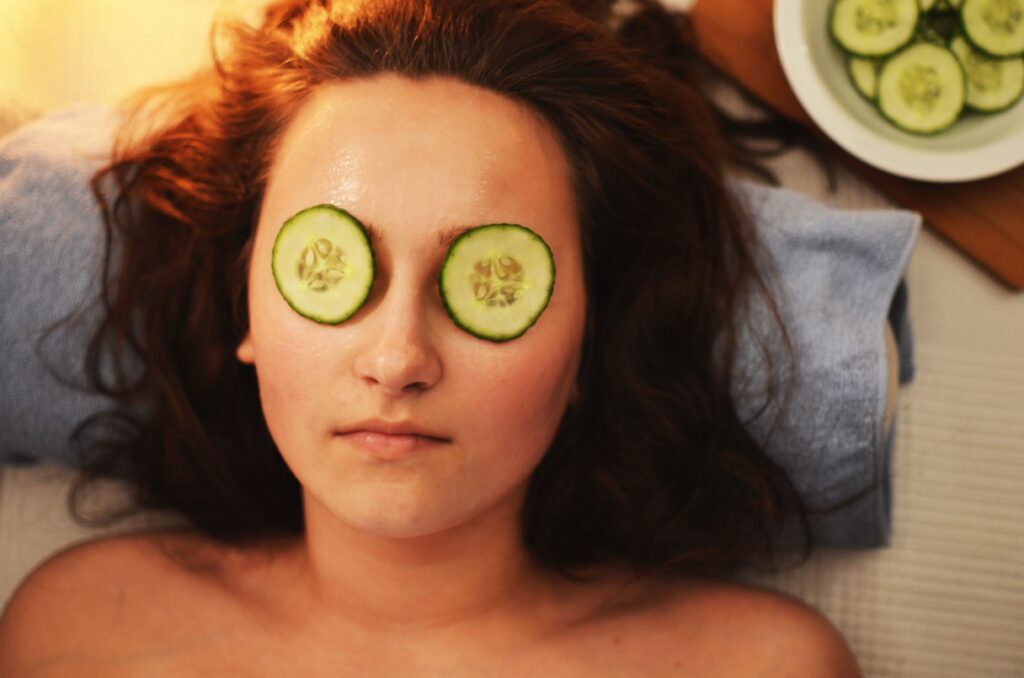
5. Try Green Tea for Antioxidant Protection
Green tea is rich in antioxidants that help protect skin from environmental stress. It may help calm the skin and support a more balanced appearance.
You can include green tea in your skincare routine by:
- Preparing green tea and allowing it to cool.
- Applying it gently with a cotton pad.
- Using it as a refreshing skin treatment.
While natural ingredients can support your skin, consistency is what creates long-term improvement.
6. Use Niacinamide to Improve Uneven Skin Tone
Niacinamide is a skincare ingredient that has become popular because of its ability to support the skin barrier and improve the appearance of uneven skin tone.
Benefits of niacinamide include:
- Helps reduce the appearance of discoloration.
- Supports a stronger skin barrier.
- Helps control excess oil.
- Improves overall skin texture.
Many people combine niacinamide with sunscreen and moisturizer for a simple but effective skincare routine.
7. Exfoliate Your Skin Gently
Exfoliation helps remove dead skin cells that can make your complexion look dull. However, aggressive exfoliation can irritate your skin and make dark spots worse.
A gentle approach is better.
Tips for safe exfoliation:
- Exfoliate only 1–3 times per week depending on your skin type.
- Avoid harsh scrubbing.
- Always moisturize after exfoliating.
- Stop if your skin becomes irritated.
Healthy skin needs balance. More exfoliation does not always mean better results.
8. Eat Foods That Support Healthy Skin
Your skincare routine is important, but your diet also plays a role in how your skin looks.
Foods rich in vitamins, minerals, and antioxidants can support overall skin health.
Add more:
Vitamin C Foods
- Oranges
- Berries
- Kiwi
- Peppers
Antioxidant Foods
- Green vegetables
- Nuts
- Seeds
- Colorful fruits
Healthy Fats
- Avocado
- Olive oil
- Fatty fish
A balanced diet supports your skin from the inside while skincare supports it from the outside.
9. Keep Your Skin Hydrated With Moisturizer
A healthy skin barrier is important when trying to improve dark spots.
When your skin becomes dry or irritated, it may look uneven and sensitive.
Choose a moisturizer based on your skin type:
Oily Skin:
Use lightweight, non-comedogenic moisturizers.
Dry Skin:
Choose richer creams with hydrating ingredients.
Sensitive Skin:
Look for gentle formulas without unnecessary fragrances.
Moisturizer helps your skin stay comfortable and supports a consistent skincare routine.
10. Follow a Simple Skincare Routine Every Day
One of the most effective ways to improve dark spots is following a routine that you can maintain.
A simple routine can look like this:
Morning Skincare Routine
- Gentle cleanser
- Vitamin C or brightening serum
- Moisturizer
- Sunscreen
Night Skincare Routine
- Cleanser
- Treatment product
- Moisturizer
Avoid changing products every few days. Give your skincare routine enough time to work.
Best Ingredients That Help With Dark Spots
| Ingredient | Main Benefit |
|---|---|
| Vitamin C | Helps brighten uneven skin tone |
| Niacinamide | Supports clearer-looking skin |
| Aloe Vera | Soothes and hydrates skin |
| Green Tea | Provides antioxidant support |
| Sunscreen | Helps prevent new dark spots |
| Rosehip Oil | Supports skin hydration |
How Long Does It Take to Remove Dark Spots Naturally?
Many people want fast results, but improving dark spots takes patience.
The timeline depends on:
- The cause of your dark spots
- Your skin type
- Your daily routine
- How well you protect your skin from the sun
Some people notice improvements within several weeks, while deeper pigmentation may take longer.
The most important thing is consistency. A simple routine followed every day is usually better than trying many different products at once.
Common Mistakes That Make Dark Spots Worse
Avoid these habits:
Skipping Sunscreen
Without sunscreen, UV exposure can continue making dark spots darker.
Picking Acne
Touching or picking pimples can increase inflammation and leave more marks.
Using Too Many Products
Too many active ingredients can irritate your skin and damage your skin barrier.
Over-Exfoliating
Excessive exfoliation can create sensitivity and worsen uneven skin tone.
Expecting Overnight Results
Healthy skin improvements take time. Focus on progress, not perfection.
Frequently Asked Questions
Can you remove dark spots naturally at home?
Yes. Natural skincare habits such as using soothing ingredients, eating healthy foods, moisturizing, and protecting your skin from the sun can help improve the appearance of dark spots.
What is the fastest way to fade dark spots?
The fastest approach usually includes sunscreen, proven skincare ingredients like vitamin C and niacinamide, and a consistent routine.
Does aloe vera remove dark spots?
Aloe vera may help support healthier-looking skin and soothe irritation, but results vary depending on the cause and depth of the dark spots.
Can sunscreen prevent dark spots?
Yes. Daily sunscreen helps protect your skin from UV damage that can worsen pigmentation.
Why do dark spots come back?
Dark spots can return if your skin is exposed to too much sun or if the original cause, such as acne or irritation, continues.
Final Thoughts
Learning how to remove dark spots naturally requires patience, consistency, and the right skincare habits.
Natural ingredients like aloe vera, honey, and green tea can support your skin, while important steps like sunscreen, moisturizing, and a balanced lifestyle help maintain healthier-looking skin.
Remember that every person’s skin is different. The best skincare routine is one that fits your skin type and that you can follow consistently.
With time and proper care, you can achieve a brighter, smoother, and more even-looking complexion.
AQ Schema (Rank Math FAQ Block)
Q1: Can you remove dark spots naturally?
A: Yes, you can improve the appearance of dark spots naturally by following a consistent skincare routine, protecting your skin from the sun, and using ingredients like aloe vera, vitamin C, and niacinamide. Natural methods take time, so patience and consistency are important.
Q2: What is the best natural way to remove dark spots?
A: The best natural approach includes daily sunscreen, gentle exfoliation, hydration, and skincare ingredients that support brighter-looking skin. Aloe vera, vitamin C, and antioxidant-rich ingredients may help improve uneven skin tone.
Q3: How long does it take to fade dark spots naturally?
A: Dark spots can take several weeks to months to improve depending on the cause, skin type, and skincare routine. Consistent care and sun protection can help support better results.
Q4: Does vitamin C help remove dark spots?
A: Yes, vitamin C is a popular skincare ingredient that helps improve the appearance of uneven skin tone and supports brighter-looking skin when used consistently.
Q5: Can sunscreen prevent dark spots from getting darker?
A: Yes, sunscreen helps protect your skin from UV rays that can increase melanin production and make dark spots appear darker. Daily sunscreen use is an important step in managing pigmentation.
Q6: Does aloe vera help with dark spots?
A: Aloe vera can help soothe and hydrate the skin. While it may support healthier-looking skin, results vary depending on the cause and severity of dark spots.
Trusted Sources for Healthy Skin Information
When learning how to care for your skin and improve the appearance of dark spots, it is important to follow information from trusted skincare and health organizations.
For reliable skincare guidance, you can learn more from:
- American Academy of Dermatology (AAD): Provides dermatologist-backed information about skin health, sun protection, pigmentation, and common skin concerns.
- Mayo Clinic: Offers trusted medical information about skin conditions, skincare habits, and healthy lifestyle choices that support overall skin health.
Using reliable sources helps you make better skincare decisions and understand that healthy skin improvements require consistency, protection, and proper care.