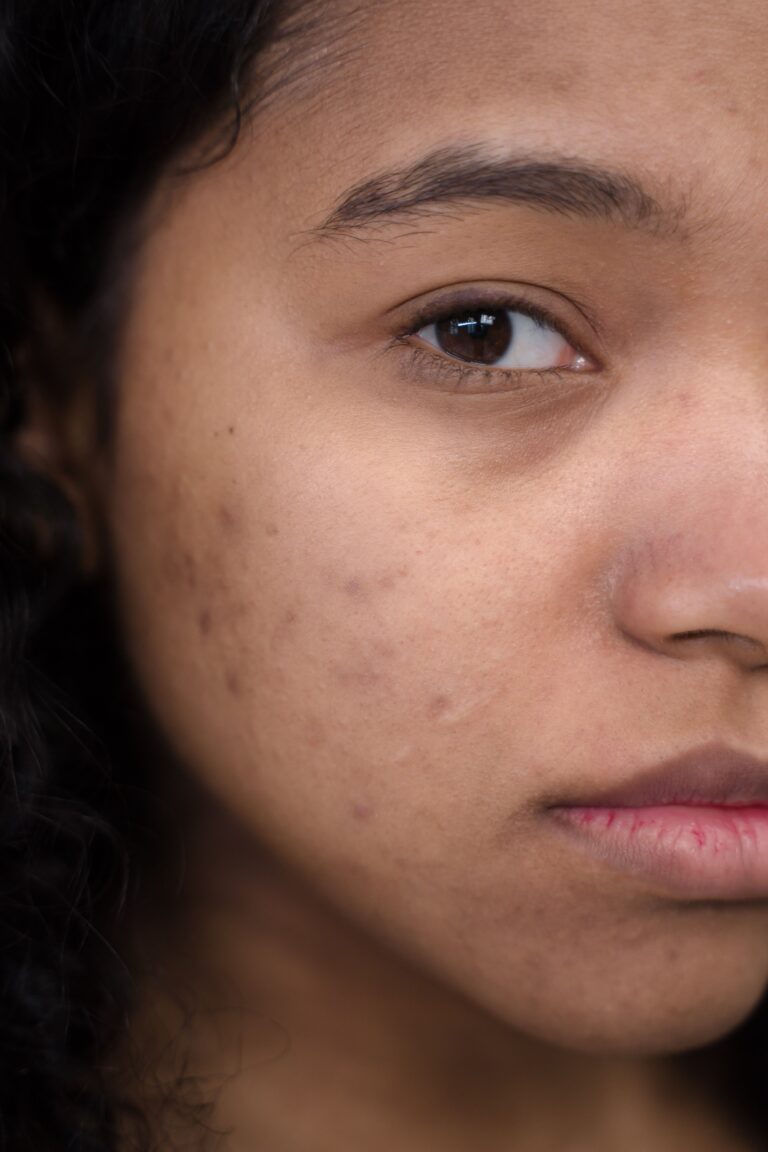
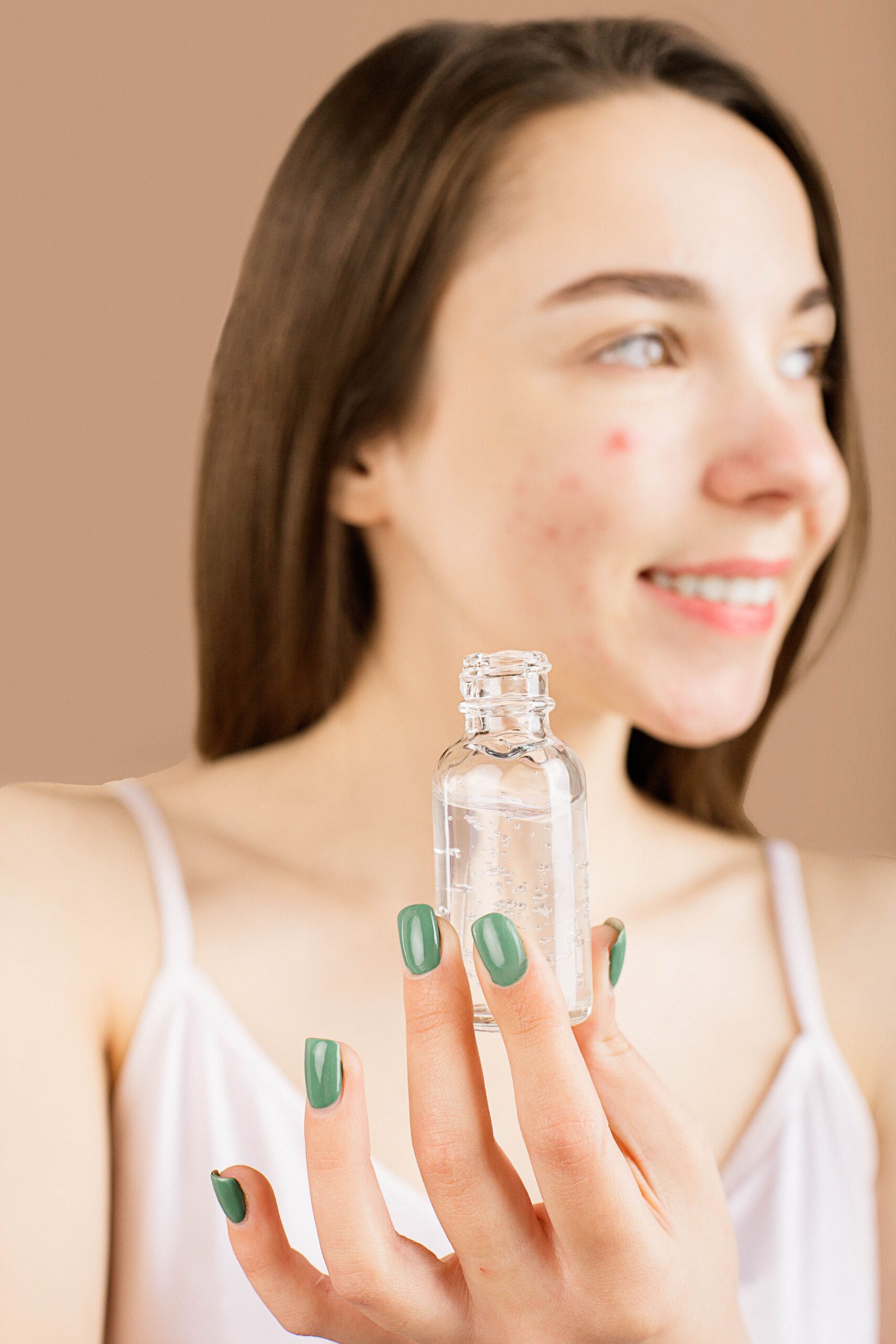

If you’ve ever searched for solutions to acne, blackheads, or oily skin, chances are you’ve come across salicylic acid. It’s one of the most recommended skincare ingredients by dermatologists, and for good reason.Salicylic Acid Benefits for Skin are one of the most talked-about topics in modern skincare. If you struggle with acne, blackheads, or oily skin, salicylic acid may help improve your skin’s appearance and overall health.
Unlike many skincare trends that come and go, salicylic acid has remained a trusted ingredient for years because it delivers real results. Whether you’re dealing with frequent breakouts, clogged pores, or rough skin texture, salicylic acid can help address several common skin concerns at once.
What makes this ingredient unique is its ability to penetrate deep into the pores. While many exfoliating ingredients work only on the skin’s surface, salicylic acid goes further by helping remove excess oil, dead skin cells, and debris that can lead to breakouts.
In this guide, we’ll explore the most important salicylic acid benefits for skin, who should use it, and how to add it safely to your skincare routine.
What Is Salicylic Acid?
Salicylic acid is a beta-hydroxy acid (BHA) commonly used in cleansers, toners, serums, and spot treatments. It is oil-soluble, which means it can travel deeper into pores than many other exfoliating ingredients.
Because of this unique property, salicylic acid is particularly effective for oily and acne-prone skin.
Top Salicylic Acid Benefits for Skin
One of the main reasons people use salicylic acid is to help manage acne. By removing excess oil and unclogging pores, it reduces the conditions that contribute to breakouts.
Regular use may help:
- Reduce pimples
- Prevent future breakouts
- Keep pores cleaner
- Improve overall skin clarity
Why Salicylic Acid Benefits for Skin Matter
Clogged pores are often responsible for blackheads, whiteheads, and acne. Salicylic acid works by dissolving the buildup of oil and dead skin cells that collect inside the pores.
When pores stay clear, the skin often looks smoother and healthier.
Reduces Blackheads and Whiteheads
Blackheads and whiteheads can be frustrating because they often return even after extraction.
Salicylic acid helps by targeting the source of the problem rather than simply treating the visible symptoms. Consistent use can help reduce existing blackheads while preventing new ones from forming.
Controls Excess Oil
People with oily skin often struggle with shine throughout the day.
Salicylic acid helps regulate excess oil production, leaving the skin looking fresher and less greasy without completely stripping away moisture.
Improves Skin Texture
Dead skin cells can accumulate on the surface of the skin, making it appear rough or dull.
As a gentle chemical exfoliant, salicylic acid encourages the removal of these dead cells, helping reveal smoother and more refined-looking skin.
Minimizes the Appearance of Pores
Although pore size cannot be permanently changed, salicylic acid can make pores appear smaller by keeping them free of oil and debris.
Many users notice that their skin looks more even and refined after several weeks of consistent use.
Salicylic Acid Benefits for Skin and Acne
After a breakout heals, it can leave behind dark marks that take time to disappear.
By supporting healthy skin renewal, salicylic acid may help improve the appearance of post-acne marks and contribute to a more even skin tone.
Enhances Other Skincare Products
When dead skin cells are removed from the skin’s surface, other skincare products can absorb more effectively.
This means ingredients such as niacinamide, vitamin C, and hyaluronic acid may perform better when used as part of a balanced skincare routine.
Supports Healthier-Looking Skin
Clear pores, controlled oil production, and regular exfoliation all contribute to healthier-looking skin.
Over time, many people notice a brighter complexion and a smoother overall appearance.
Suitable for Many Acne-Prone Skin Types
Salicylic acid is commonly recommended for oily, combination, and acne-prone skin.
However, it should be introduced gradually, especially if you have sensitive skin, to avoid irritation or excessive dryness.
How to Use Salicylic Acid Safely
If you’re new to salicylic acid, start slowly and observe how your skin responds.
A simple routine may include:
- Cleanse your face with a gentle cleanser.
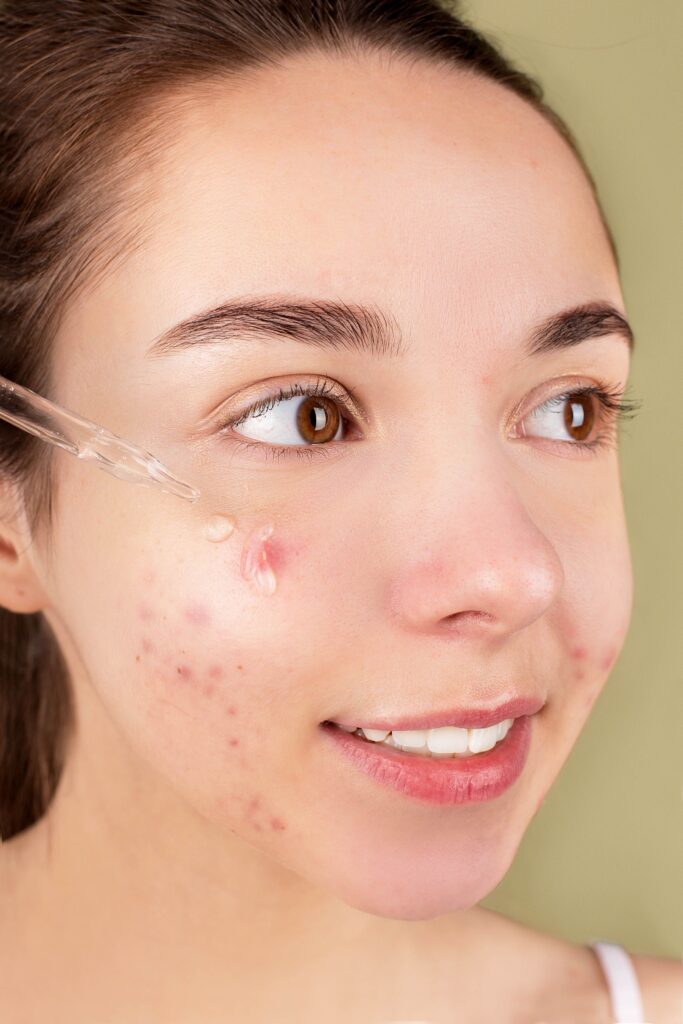
- Apply a salicylic acid product.
- Follow with a moisturizer.
- Apply sunscreen every morning.
Using sunscreen is particularly important because exfoliating ingredients can make the skin more sensitive to sun exposure.
Are There Any Side Effects?
Most people tolerate salicylic acid well, but some may experience:
- Dryness
- Mild irritation
- Temporary redness
- Peeling during initial use
Starting with a lower concentration and using it a few times per week can help minimize these effects.
Final Thoughts
Salicylic acid has earned its reputation as one of the most effective skincare ingredients available today. From helping clear acne and reducing blackheads to improving skin texture and controlling excess oil, it offers multiple benefits in a single ingredient.
If you’re looking for a proven way to achieve clearer, smoother, and healthier-looking skin, salicylic acid may be worth adding to your skincare routine. With consistent use and proper sun protection, it can become a valuable part of your long-term skincare journey.
FAQ
What does salicylic acid do for skin?
Salicylic acid exfoliates the skin, unclogs pores, removes excess oil, and helps reduce acne breakouts.
Is salicylic acid good for acne?
Yes. Salicylic acid is one of the most effective ingredients for acne-prone skin because it penetrates pores and helps remove trapped oil and dead skin cells.
Can salicylic acid remove blackheads?
Salicylic acid can help reduce and prevent blackheads by keeping pores clear and reducing buildup.
How often should I use salicylic acid?
Beginners should start using salicylic acid 2–3 times per week and gradually increase usage based on skin tolerance.
Is salicylic acid suitable for sensitive skin?
It can be used on sensitive skin, but lower concentrations and less frequent application are recommended.
Salicylic acid is widely used to treat acne because it helps unclog pores and remove excess oil. According to the American Academy of Dermatology, ingredients such as salicylic acid can be effective for managing mild acne and preventing future breakouts.