

Introduction
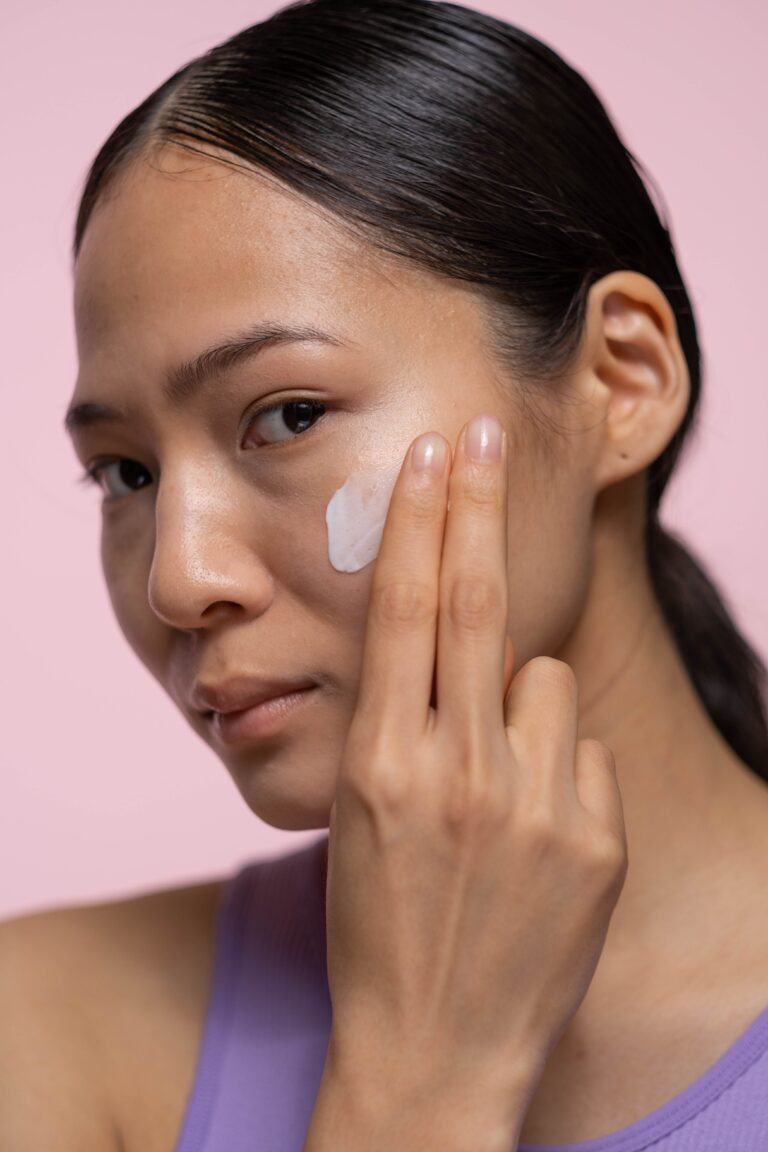
Oily skin can be challenging to manage. Excess shine, enlarged-looking pores, and frequent breakouts can make it difficult to find the right skincare routine. Many people with oily skin try to remove all oil from their face, but this can sometimes make the skin feel unbalanced.
Niacinamide for oily skin has become one of the most popular skincare solutions because it helps support balanced-looking skin, improves the appearance of pores, and strengthens the skin barrier.
Unlike harsh ingredients that may dry out the skin, niacinamide is a gentle ingredient that can be used by many skin types, including oily and acne-prone skin.
In this guide, you will learn the benefits of niacinamide for oily skin, how to use it correctly, what ingredients work well with it, and common mistakes to avoid.
What Is Niacinamide?
Niacinamide is a form of vitamin B3 that is widely used in skincare products. It is known for its ability to support the skin barrier, improve the appearance of uneven skin tone, and help skin look healthier.Dermatologists recommend choosing skincare products that support a healthy skin barrier and match your skin type.https://www.aad.org/public/everyday-care/skin-care-basics/dry/oily-skin
Many Korean skincare products include niacinamide because it works well with lightweight formulas and can be combined with other popular ingredients.
Unlike strong exfoliating ingredients, niacinamide is generally considered gentle and suitable for daily skincare routines.
Benefits of Niacinamide for Oily Skin
1. Helps Control Excess Oil
One of the biggest reasons people use niacinamide for oily skin is its ability to help improve the appearance of excess oil.Niacinamide is a popular skincare ingredient used for improving the appearance of pores and uneven skin tone.https://www.healthline.com/health/beauty-skin-care/niacinamide
When skin produces too much oil, the face may look shiny throughout the day. Niacinamide can help support a more balanced-looking complexion.
2. Improves the Appearance of Pores
Oily skin often makes pores appear larger because of excess sebum production.
Niacinamide can help improve the appearance of enlarged pores, creating a smoother-looking skin texture.
3. Supports the Skin Barrier
Even oily skin needs hydration. When the skin barrier becomes damaged, skin may feel irritated or produce more oil.
Niacinamide helps support the skin barrier by helping maintain moisture and keeping skin comfortable.
4. Helps Improve Uneven Skin Tone
Oily skin can sometimes be combined with acne marks or uneven-looking skin tone.
Niacinamide is commonly used in skincare routines to help improve the appearance of discoloration and create a more balanced complexion.
5. Helps Calm Oily and Acne-Prone Skin
People with oily skin often experience breakouts. Niacinamide is popular because it is a gentle ingredient that can be included in routines designed for blemish-prone skin.
You can also read:
[Korean Skincare Routine for Acne-Prone Skin]

How to Use Niacinamide for Oily Skin
Adding niacinamide to your routine is simple.
Morning Routine
Step 1: Gentle Cleanser
Start with a cleanser that removes oil and impurities without making your skin feel dry.
Step 2: Niacinamide Serum
Apply a lightweight niacinamide serum after cleansing.
Step 3: Lightweight Moisturizer
Use a moisturizer that supports hydration without feeling heavy.
Step 4: Sunscreen
Always finish your morning routine with sunscreen.
Night Routine
Step 1: Cleanser
Remove sunscreen, makeup, and daily buildup.
Step 2: Niacinamide Serum
Apply your niacinamide product to clean skin.
Step 3: Moisturizer
Finish with a moisturizer to support your skin barrier overnight.
Best Niacinamide Concentration for Oily Skin
Many niacinamide products contain different percentages.
Common options include:
- 2–5%: Good for beginners and sensitive-looking skin
- 5%: Popular everyday option
- 10%: Higher concentration for people who want stronger formulas
More is not always better. A lower concentration used consistently may work better than using a very strong product that irritates your skin.
Niacinamide and Other Skincare Ingredients
Niacinamide and Salicylic Acid
Both ingredients are popular for oily skin routines.
Salicylic acid helps exfoliate inside pores, while niacinamide supports the skin barrier and improves the appearance of oiliness.
Niacinamide and Vitamin C
Niacinamide and vitamin C are both popular skincare ingredients.
Vitamin C is often used for brightening, while niacinamide focuses on barrier support, oil balance, and overall skin appearance.
You can read more:
Niacinamide vs Vitamin C: 7 Key Differences You Need to Know
Common Mistakes When Using Niacinamide
Using Too Many Products
Adding many active ingredients at the same time can irritate your skin.
Skipping Moisturizer
Oily skin still needs hydration. Skipping moisturizer may make your skin feel unbalanced.
Expecting Instant Results
Skincare takes consistency. Give products time before deciding if they work for you.
Forgetting Sunscreen
Sunscreen is essential, especially when working on uneven skin tone.
Who Should Use Niacinamide?
Niacinamide can be helpful for people who have:
- Oily skin
- Combination skin
- Acne-prone skin
- Uneven-looking skin tone
- A weakened skin barrier
However, everyone’s skin is different, so introduce new products slowly.1. Best Niacinamide Products for Oily Skin
- Lightweight niacinamide serums
- Gel moisturizers with niacinamide
- How to choose a product
2. Niacinamide for Different Oily Skin Concerns
Oily + Acne-Prone Skin
- How to Add It to Your Routine
Oily + Dark Spots
- How to Add It to Your Routine
Oily + Sensitive Skin
- Sida tartiib loogu bilaabo
3. How Much Niacinamide Serum Should You Use?
Follow with moisturizer
2–3 drops
Apply on clean skin
Frequently Asked Questions (FAQ)
Is niacinamide good for oily skin?
Yes. Niacinamide for oily skin is popular because it helps support balanced-looking skin, improves the appearance of pores, and supports the skin barrier.
Can niacinamide reduce oily skin?
Niacinamide may help improve the appearance of excess oil and create a more balanced-looking complexion.
How often should I use niacinamide serum?
Many people use niacinamide once or twice daily depending on their skin type and product instructions.
Can oily and acne-prone skin use niacinamide?
Yes. Niacinamide is commonly included in routines for oily and acne-prone skin because it is a gentle ingredient.
How long does niacinamide take to work?
Results vary, but consistent use is important. Many skincare products require regular use before noticeable changes appear.
Final Thoughts
Niacinamide for oily skin is a popular choice because it supports balanced-looking skin without being overly harsh. It can help improve the appearance of oiliness, pores, uneven skin tone, and overall skin texture.
The best results come from using niacinamide consistently with a simple routine that includes cleansing, moisturizing, and daily sunscreen.